If you listened to part one of my conversation with Tania Johnson, you already know how powerful it was to understand what is happening inside the teenage brain. In this second half, we move from the “why” into the “what now?” We talk about the practical side of parenting teens in today’s world, including chores, emotional intelligence, resilience, family connection, and of course… technology.
One thing I really appreciated about this conversation is how balanced and hopeful it felt. Tania does not come from a place of fear or perfectionism. Instead, she reminds us that parenting teens is about relationship, repair, and helping our kids gradually build the skills they need to become capable adults. We also talk honestly about screens and smartphones, and I think every parent of tweens and teens will feel seen in this conversation.
In this episode, we cover:
- Why emotional intelligence may matter more than IQ long-term
- How parents teach EQ through everyday conversations and reactions
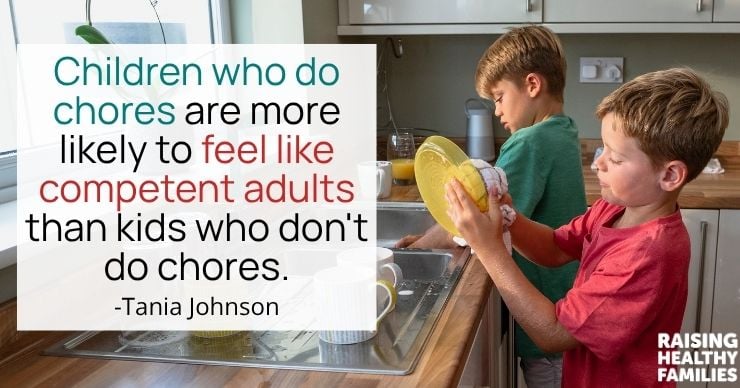
- Why family dinners and chores build confidence and connection
- How to hold expectations without constant power struggles
- The reason more teens seem afraid of failure and independence
- Why resilience grows through small risks and mistakes
- What parents often get wrong about smartphones and social media
- Why it is okay to “rewind” and change tech decisions later
Love the Handbook?
Find all the episodes of the Healthy Parenting Handbook here, or listen on your favorite podcast player:





Don’t forget to leave us a review on Apple Podcasts too! Thank you!
Can't see the video? Watch on YouTube →
YouTube Shorts for This Episode
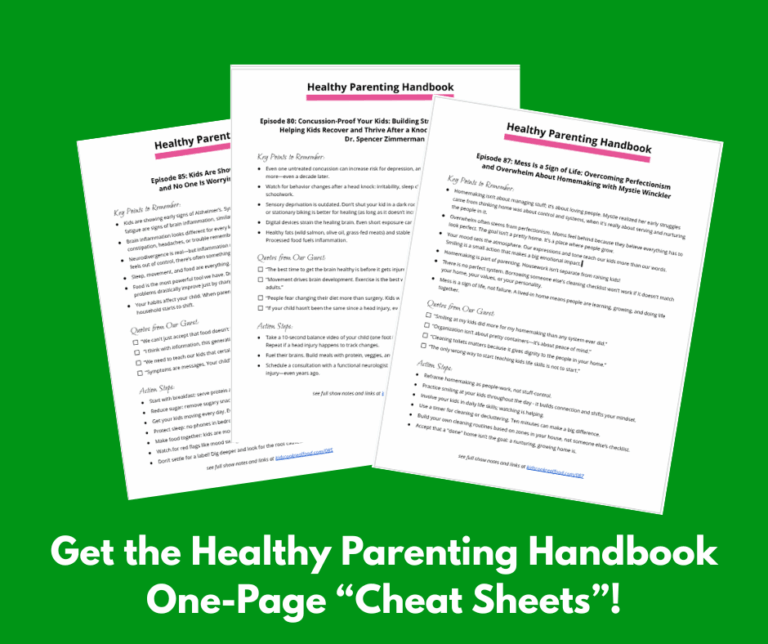
Turn expert advice into a handbook you can actually use.
I’ve interviewed hundreds of incredible experts on the Healthy Parenting Handbook podcast! Out of time to listen? You can skim on your phone!
These one-page summaries give you the highlights of every episode fast, so you can find what you need when you need it (and nothing to download).
100% privacy – You’ll also get Katie’s email newsletter with more practical tools for raising capable, confident kids. Change your preferences easily any time.
Key Takeaways about Raising Resilient Teens
- Emotional intelligence (EQ) helps teens navigate life, relationships, and challenges more successfully than IQ alone.
- Kids learn emotional intelligence mostly by watching the adults around them handle stress, mistakes, relationships, and emotions.
- Family dinners, chores, and shared responsibilities create opportunities for connection, competence, and confidence. Need help starting down the path to chores? See the system that works for our family here!
- Parenting teens requires balancing attachment with independence by holding expectations while still respecting growing autonomy. Here’s my mini-episode on passing along ownership to teens.
Children need imperfect, messy parents. – Tania Johnson
- Resilience develops through small risks, mistakes, and real-world experiences, not through overprotection or rescuing kids from discomfort.
- Technology adds a new layer of complexity, and many parents unintentionally become less involved over time.
- Tania encourages parents to stay engaged in their teen’s digital world, delay smartphones and social media as long as possible, and remember that it is okay to change course if something is not working. Here are the conversation cards from Raising Digital Citizens, and here are Part 1 and Part 2 of my interview with Jessica Joelle Alexander, author of The Danish Way of Parenting.
The Picky Eater Playbook: Get Pre-Order Bonuses!
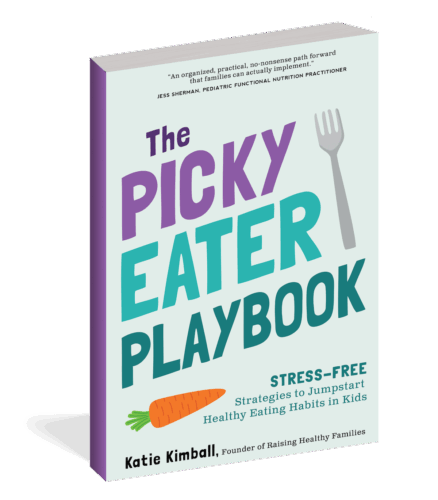
My first traditionally published book releases November 10, 2026! The Picky Eater Playbook: Stress-Free Strategies to Jump Start Healthy Eating Habits in Kids is packed with real-life stories, flexible strategies, and step-by-step routines to turn dinner from a power struggle into something the whole family can enjoy.
If you’ve done the No More Picky Eating Challenge and want to have all my strategies at your fingertips, it’s the perfect resource! Or if you’re just beginning to tackle dinnertime struggles at your house, it will walk you through my whole system for eliminating picky eating.
Pre-order now and get some amazing bonuses!
Learn More about The Picky Eater PlaybookAction Steps from This Episode
- Model emotional intelligence by talking openly and thoughtfully about your own emotions, stress, mistakes, and relationships.
- Slow down before making quick judgments about other people and invite your teen to consider different perspectives too.
- Prioritize family meals and shared responsibilities, because they build both connection and competence over time.
- Hold expectations around chores and responsibilities while also inviting collaborative problem-solving conversations with your teen.
Ultimately, our work is to help them to really strengthen that prefrontal cortex! – Tania Johnson
- Let kids experience manageable risks, failure, and discomfort instead of rescuing them immediately. Remember, even boredom is a life skill!
- Stay actively involved in your teen’s technology use through ongoing conversations, not just rules.
- Delay smartphones and social media as long as possible when you can.
- If technology has become unhealthy in your home, remember you are allowed to change your mind, reset boundaries, and try again.
Resources We Mention for Raising Resilient Teens
- Check out Tania’s book: The Parenting Handbook: Your Guide to Raising Resilient Children by Tania Johnson and Tammy Schamuhn (Amazon / Bookshop.org)
- The Kimball Family Chores System
- Raising Digital Citizens conversation cards
- Passing along ownership to your teens
- Some more thoughts on teens and tech from me and one of my interviews with Andrea Davis of Better Screen Time

Tania was born in South Africa, where she received an Honours degree in psychology. She spent several years teaching in Taiwan before adventuring to places like Mount Everest base camp and the Andes in Peru and Bolivia. She then completed a one-year internship at Cancer Treatment Centres of America in Chicago, where her focus was on supporting patients in the stem cell unit.
Tania then earned her Master’s degree in counselling from City University of Seattle.
She and her husband were foster parents to four First Nations children for five years and have two bio children of their own. She currently supervises Master’s-level students and provisional psychologists.
Tania works primarily from the perspective of attachment theory, which focuses on bonds between parents and children. Her gift, both in the therapy room and when writing, is to translate the latest research into concrete strategies that parents can implement in everyday life with their children.

Leave a Comment