If you have ever looked at your teenager and thought, “Why are we suddenly having toddler-level emotional meltdowns again?” this episode is going to make so much sense. I had such a fascinating conversation with Tania Johnson from the Institute of Child Psychology about what is actually happening inside the teenage brain, and honestly, it completely reframed some things for me as a parent.
We talk about why teens and toddlers are surprisingly similar from a brain development perspective, why emotional outbursts and withdrawal are actually normal parts of development, and what parents can do to stay connected without smothering their kids. I especially loved how practical this conversation became. Tania has such a gift for taking complicated psychology concepts and making them feel doable in real life.
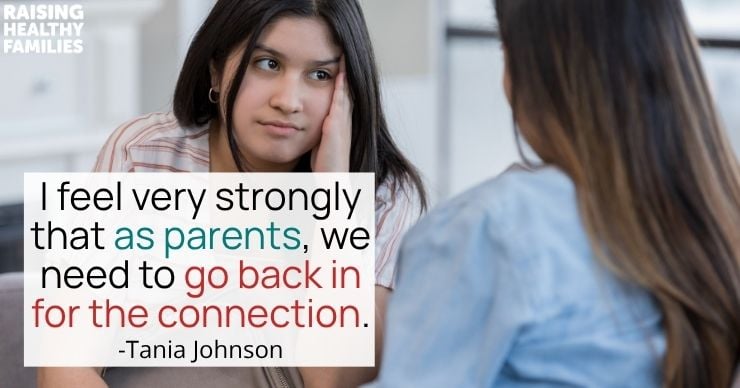
One of my biggest takeaways from this episode was the reminder that connection is still the foundation of parenting during the teen years. Even when they roll their eyes, shut their doors, or seem like they do not want us around, attachment and relationship still matter deeply.
In this episode, we cover:
- Why the teenage brain develops similarly to a toddler’s brain
- What co-regulation actually looks like during emotional moments
- Why talking less can sometimes help more with teens
- What is happening when your teen explodes and then withdraws
- Why parents should step back into connection after conflict
- How attachment continues shaping mental health during adolescence
- Simple family rituals that help teens feel loved and connected
- Why family meals matter more than most parents realize!
Love the Handbook?
Find all the episodes of the Healthy Parenting Handbook here, or listen on your favorite podcast player:





Don’t forget to leave us a review on Apple Podcasts too! Thank you!
Can't see the video? Watch on YouTube →
YouTube Shorts for This Episode
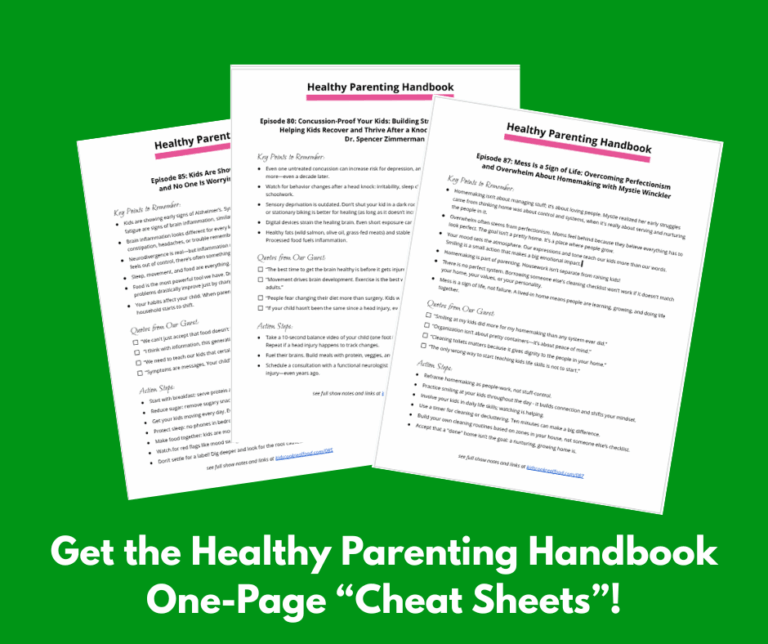
Turn expert advice into a handbook you can actually use.
I’ve interviewed hundreds of incredible experts on the Healthy Parenting Handbook podcast! Out of time to listen? You can skim on your phone!
These one-page summaries give you the highlights of every episode fast, so you can find what you need when you need it (and nothing to download).
100% privacy – You’ll also get Katie’s email newsletter with more practical tools for raising capable, confident kids. Change your preferences easily any time.
Key Takeaways about Parenting Teens with Connection
- Teenagers and toddlers actually have a lot in common. Both stages involve huge brain development, strong emotions, and a nervous system that still needs support from calm adults. (Need help calming your own nervous system? Check out my guide here.)
- During the teen years, the emotional part of the brain becomes highly active again while the thinking brain is still developing, which explains the big reactions, withdrawal, and emotional ups and downs many parents see.
Attachment is the groundwork for all mental health. – Tania Johnson
- Teens are also trying to figure out their identity and independence, which makes parenting feel like a delicate dance between staying connected and giving space.
- Attachment still matters deeply during adolescence.
- Teens may not always show it outwardly, but consistent rituals, connection, and emotional safety continue shaping their mental health, resilience, and sense of belonging.
The Picky Eater Playbook: Get Pre-Order Bonuses!
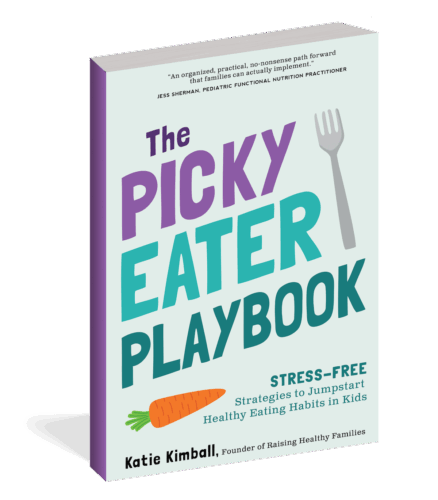
My first traditionally published book releases November 10, 2026! The Picky Eater Playbook: Stress-Free Strategies to Jump Start Healthy Eating Habits in Kids is packed with real-life stories, flexible strategies, and step-by-step routines to turn dinner from a power struggle into something the whole family can enjoy.
If you’ve done the No More Picky Eating Challenge and want to have all my strategies at your fingertips, it’s the perfect resource! Or if you’re just beginning to tackle dinnertime struggles at your house, it will walk you through my whole system for eliminating picky eating.
Pre-order now and get some amazing bonuses!
Learn More about The Picky Eater PlaybookAction Steps from This Episode
- When your teen is upset, focus less on talking and more on regulating your own nervous system first.
- Use fewer words during emotional moments because overwhelmed brains cannot process long explanations well.
- After conflict, give some space, but always step back into connection instead of waiting for your teen to come to you.
- Look for small rituals that communicate love consistently, like a bedtime routine, favorite snack, or attending activities with full attention.
It is our job as the adults in the relationship to step back into connection. – Tania Johnson
- Pay attention to how your specific child experiences love instead of assuming they feel loved the same way you do.
- Prioritize family meals whenever possible, even if it is only once a week.
- Most importantly, remember that your teen’s brain is still developing, and your calm presence continues to shape their emotional health more than you may realize.
Resources We Mention for Parenting Teens with Connection
- Check out Tania’s book: The Parenting Handbook: Your Guide to Raising Resilient Children by Tania Johnson and Tammy Schamuhn (Amazon / Bookshop.org)
- What Is Nervous System Work, and Why Is It Important?
- Teens Want to Be in Control. Here’s Why They’re NOT (& What They Can Do About it) Direct from a Teen Author
- Table talk: why you need to prioritize family meals

Tania was born in South Africa, where she received an Honours degree in psychology. She spent several years teaching in Taiwan before adventuring to places like Mount Everest base camp and the Andes in Peru and Bolivia. She then completed a one-year internship at Cancer Treatment Centres of America in Chicago, where her focus was on supporting patients in the stem cell unit.
Tania then earned her Master’s degree in counselling from City University of Seattle.
She and her husband were foster parents to four First Nations children for five years and have two bio children of their own. She currently supervises Master’s-level students and provisional psychologists.
Tania works primarily from the perspective of attachment theory, which focuses on bonds between parents and children. Her gift, both in the therapy room and when writing, is to translate the latest research into concrete strategies that parents can implement in everyday life with their children.

Leave a Comment