If you’ve ever looked at your child’s behavior and thought, “What is going on right now?”—you’re not alone.
In this episode, we go beyond surface-level parenting advice and get into something deeper: what your child’s behavior is actually trying to communicate. Because what looks like defiance, attitude, or disrespect on the outside is often something entirely different underneath.
Wendy Snyder introduces a powerful framework that helps you “translate” your child’s actions in real time. Instead of reacting with frustration, you’ll start to see patterns, unmet needs, and opportunities to teach life skills. It’s a shift that can completely change how you experience everyday parenting moments.
We also explore what to do when your child says things like “I hate this family,” why power struggles escalate so quickly, and how to stay grounded when your child is clearly unhappy with your rules. There’s a big mindset shift here that might feel uncomfortable at first, but it can also be incredibly freeing.
Along the way, you may find yourself rethinking what it really means to be a “strict” parent, and whether the strategies you’ve been using are actually helping in the long run.
In this episode, you’ll learn:
- The four hidden reasons behind most misbehavior
- How to tell if your child is seeking attention, power, revenge, or support
- Why punishment often makes behavior worse instead of better
- What to do when your child says hurtful or dramatic things
- How to stay calm when your child is upset with your rules
- The difference between firm boundaries and “strict” parenting
- How to stop power struggles before they escalate
- Why your mindset matters just as much as your parenting strategy
If you’ve been feeling stuck in cycles of frustration or wondering why nothing seems to “work,” this conversation will give you a new lens to look through … and a few moments that might just change how you respond the next time your child pushes back.
Did you miss part 1 of this episode? Watch or listen here.
Love the Handbook?
Find all the episodes of the Healthy Parenting Handbook here, or listen on your favorite podcast player:





Don’t forget to leave us a review on Apple Podcasts too! Thank you!
Can't see the video? Watch on YouTube →
YouTube Shorts for This Episode
Turn expert advice into a handbook you can actually use.
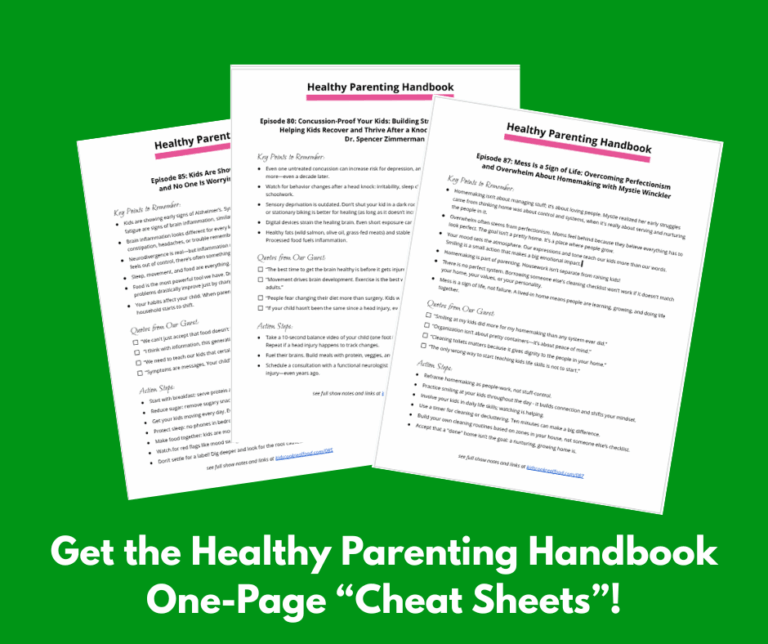
I’ve interviewed hundreds of incredible experts on the Healthy Parenting Handbook podcast! Out of time to listen? You can skim on your phone!
These one-page summaries give you the highlights of every episode fast, so you can find what you need when you need it (and nothing to download).
100% privacy – You’ll also get Katie’s email newsletter with more practical tools for raising capable, confident kids. Change your preferences easily any time.
Key Takeaways about Decoding Kids’ Behavior
- Kids’ behavior is communication. Instead of reacting to what they do, parents can learn to understand what need is underneath it.
- There are four main behavior drivers: attention (seeking connection), power (seeking control), revenge (feeling hurt), and inadequacy (feeling incapable).
- Power struggles often come from kids trying to feel capable and in control. When handled with punishment, they can escalate into revenge cycles.
- When kids act out in hurtful ways, it usually means they are feeling hurt themselves. Teaching them to express hurt instead of “hurting back” is key.
We’re not trying to stop behavior. We’re trying to teach life skills. – Wendy Snyder
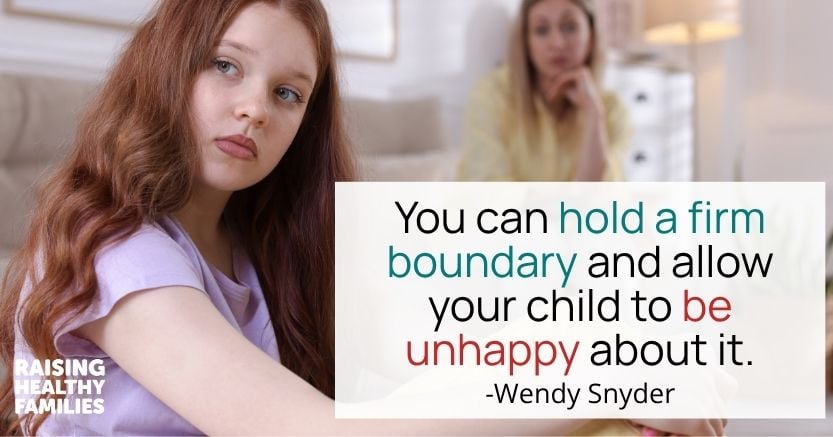
- Parents can stay firm in their values while allowing kids to feel upset about boundaries. Both can be true at the same time. Hear more about boundaries, especially with teens.
- Detaching from whining or complaining (instead of engaging or fixing it) helps reduce its intensity over time.
- There is a difference between being “strict” with punishment and being firm with thoughtful, value-based boundaries.
- Parenting is a long-term growth process. Change happens through small, consistent shifts—not overnight transformation.
The Picky Eater Playbook: Get Pre-Order Bonuses!
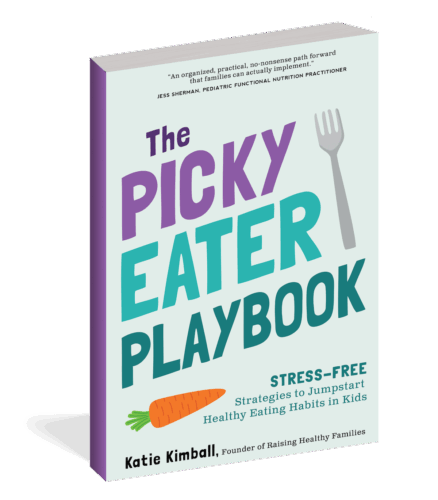
My first traditionally published book releases November 10, 2026! The Picky Eater Playbook: Stress-Free Strategies to Jump Start Healthy Eating Habits in Kids is packed with real-life stories, flexible strategies, and step-by-step routines to turn dinner from a power struggle into something the whole family can enjoy.
If you’ve done the No More Picky Eating Challenge and want to have all my strategies at your fingertips, it’s the perfect resource! Or if you’re just beginning to tackle dinnertime struggles at your house, it will walk you through my whole system for eliminating picky eating.
Pre-order now and get some amazing bonuses!
Learn More about The Picky Eater PlaybookAction Steps to Take from This Episode
- When your child misbehaves, pause and ask yourself: are they seeking attention, power, revenge, or feeling inadequate?
- Focus on the feeling underneath the behavior, and respond to that need instead of reacting to the behavior alone.
- If your child says hurtful things, address the feeling behind it and later teach them better language to express hurt.
When kids feel hurt, they often believe they have to hurt back to feel better. – Wendy Snyder
- Practice allowing your child to be upset about your rules without changing the boundary.
- Work on detaching from whining or complaining instead of engaging in long back-and-forth conversations.
- Get clear on your “why” behind your biggest rules (technology, food, safety, etc.) so you can hold them with confidence.
- When you feel triggered or make a mistake, respond with self-compassion instead of guilt or shame.
Resources We Mention for Understanding Your Child’s Behavior
- Pre-order Wendy’s new book at Amazon, Bookshop.org, or wherever you find your books, and then grab the preorder bonuses here.
- My mini-episode about boundaries especially for teens
- Scripts for calm connection with Bryanna Kappadakunnel
- Listen to Wendy’s episode on parenting “cactus kids”
- More on power struggles, positive parenting, and forgoing traditional discipline in this episode with Amy McCready
- My episode on the Fresh Start Family podcast about building connection through cooking

Wendy Snyder is a Certified Positive Parenting Educator, Family Life Coach, and founder of Fresh Start Family, where she helps families ditch fear-based discipline and raise strong, emotionally healthy kids with compassion and confidence. Through her podcast, courses, and coaching programs, she’s guided thousands of parents to break painful generational cycles and create homes rooted in connection, peace, and purpose. She is the author of the upcoming book Fresh Start Your Family: Powerful Parenting to Restore Peace in Your Home. Wendy lives in Southern California with her husband Terry—her high school sweetheart—and their two kids, where they’re rewriting their own family legacy, one grace-filled day at a time.

Leave a Comment