When your child is melting down, refusing to listen, shutting down, or exploding over something small, their nervous system may be overwhelmed—not ready for more words or discipline.
Dr. Roseann Capanna-Hodge, a longtime friend of mine and Raising Healthy Families, explains what happens in the brain when kids become dysregulated and why their ability to think logically can temporarily go offline. She shares how a child’s “stress cup” fills up, why parents and kids can co-regulate or co-dysregulate, and why your own nervous system is one of the most powerful parenting tools you have.
You’ll also learn why the middle of a meltdown is usually the worst time to reason with your child, how to use a simple three-second “love pause,” and why regulation needs to come before teaching, correcting, or problem-solving.
This episode gives parents practical ways to respond with fewer words, more calm, and a better understanding of what their child’s behavior may be communicating.
If this episode hits a nerve, make sure you grab a copy of Dr. Ro’s new book, The Dysregulated Child.
Love the Handbook?
Find all the episodes of the Healthy Parenting Handbook here, or listen on your favorite podcast player:




Don’t forget to leave us a review on Apple Podcasts too! Thank you!
Can't see the video? Watch on YouTube →
YouTube Shorts for This Episode
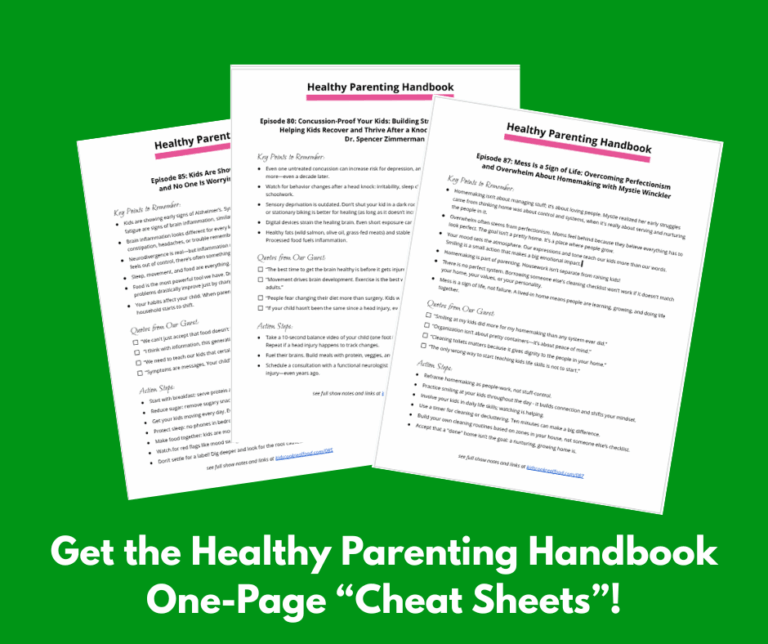
Turn expert advice into a handbook you can actually use.
I’ve interviewed hundreds of incredible experts on the Healthy Parenting Handbook podcast! Out of time to listen? You can skim on your phone!
These one-page summaries give you the highlights of every episode fast, so you can find what you need when you need it (and nothing to download).
100% privacy – You’ll also get Katie’s email newsletter with more practical tools for raising capable, confident kids. Change your preferences easily any time.
Key Takeaways about Helping Your Dysregulated Child
- A healthy nervous system moves between stress and relaxation. Problems happen when kids (or adults) get stuck in a stress response and start treating everyday situations like threats.
- School, relationships, sensory overload, grief, trauma, lack of sleep, and everyday demands all add to the “stress cup.” When it gets too full, even something small can trigger a big reaction.
- During a meltdown, anger, shutdown, or freakout, the brain’s logical “manager” is essentially offline. This is the worst time to reason, correct, or problem-solve. Regulate first; talk later. Learn more about the three levels of the brain here.
When you enter a room, you’re not just entering in that moment. You’re bringing your nervous system! – Dr. Roseann Capanna-Hodge
- Parents and kids can co-regulate or co-dysregulate. Your tone, facial expression, body language, and level of calm can either turn up the intensity or help bring it down. Get some tricks for calm parenting from Bryana Kappadakunnel!
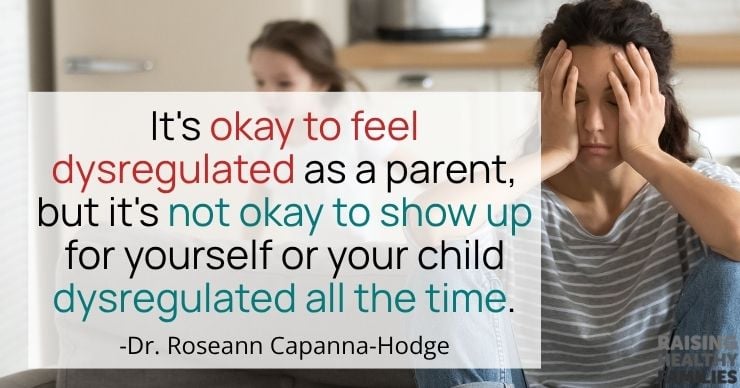
- You don’t have to be perfectly calm. But creating even a little more calm in yourself gives your child something steady to connect with. Dr. Roseann calls this taking a three-second “love pause.”
- No matter how long a child or parent has been dysregulated, the nervous system can learn new patterns. Kids build this skill over time, especially through repeated experiences of being with a regulated adult.
The Picky Eater Playbook: Get Pre-Order Bonuses!
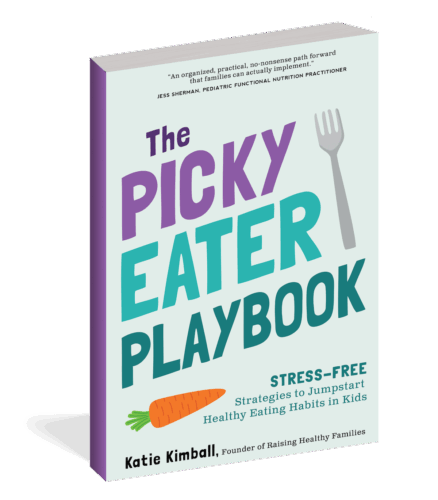
My first traditionally published book releases November 10, 2026! The Picky Eater Playbook: Stress-Free Strategies to Jump Start Healthy Eating Habits in Kids is packed with real-life stories, flexible strategies, and step-by-step routines to turn dinner from a power struggle into something the whole family can enjoy.
If you’ve done the No More Picky Eating Challenge and want to have all my strategies at your fingertips, it’s the perfect resource! Or if you’re just beginning to tackle dinnertime struggles at your house, it will walk you through my whole system for eliminating picky eating.
Pre-order now and get some amazing bonuses!
Learn More about The Picky Eater PlaybookAction Steps from This Episode
- Take a three-second pause before responding when you feel yourself getting activated.
- Use fewer words when your child is melting down, and focus on being a calm, steady presence.
Kids should experience stress, and we should be there to be loving and supportive but let them get through it. – Dr. Roseann Capanna-Hodge
- Wait until everyone is regulated before talking about behavior, expectations, or solutions.
- Practice calming activities like slow breathing, movement, prayer, yoga, or quiet time when things are already going well. Mom, you can learn some of these techniques in my Stress Mastery Challenge and pass them on to the kids!
- Pay attention to what tends to fill your child’s stress cup, such as hunger, fatigue, transitions, sensory overload, school stress, or an overly packed schedule.
- Let your child move through hard feelings safely instead of rushing to fix the discomfort, then reconnect and problem-solve afterward.
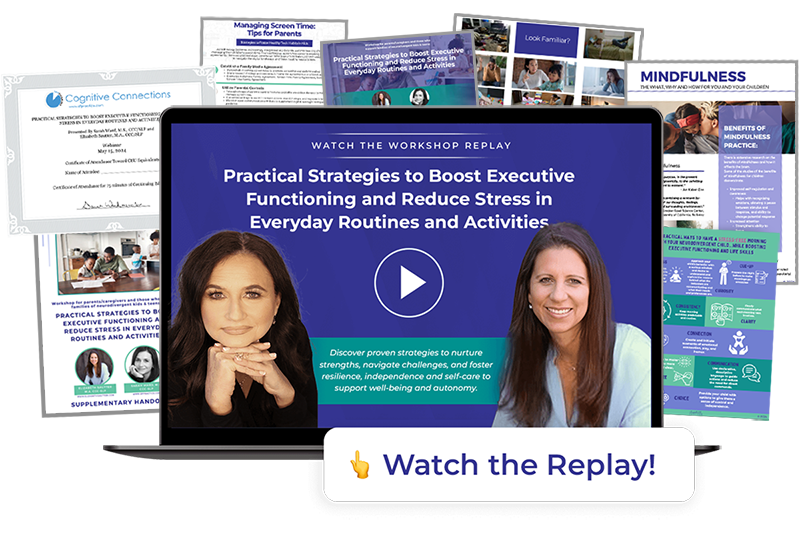
If you’re navigating the complexities of supporting children with challenges in executive functioning and stress management, this workshop is designed for you.
Led by Elizabeth Sautter and Sarah Ward, experts in social-emotional learning (SEL) and executive functioning, this workshop will provide you with practical strategies that can be seamlessly integrated into daily routines and activities, benefiting both you and the children you love and support.
Resources We Mention for Helping Your Dysregulated Child
- Dr. Roseann’s book The Dysregulated Child releases 9/22/26! Grab it now.
- Preventing nervous system wounds in your child with Ann Odom
- Episodes on stress mastery: Can We Help Our Highly Sensitive Kids Handle Their Stress? and Stress Busting for Moms
- Try the Stress Mastery Challenge for free
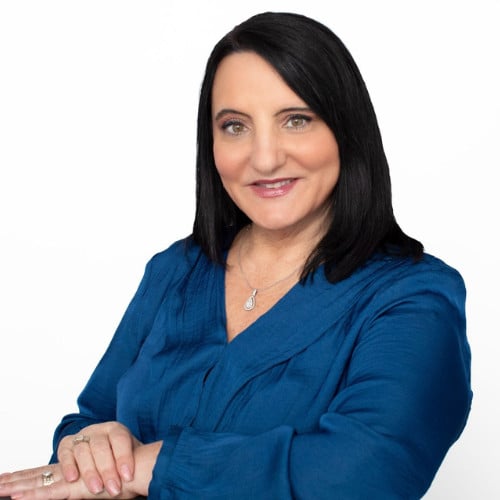
Dr. Roseann Capanna-Hodge is a leading expert in emotional and behavioral dysregulation with 30+ years of experience helping families move from chaos to calm. She specializes in nervous system dysregulation, the root cause of issues like ADHD, anxiety, OCD, mood disorders, and PANS/PANDAS.
As the creator of Regulation First Parenting® and the CALMS Dysregulation Protocol®, author of the upcoming book The Dysregulated Kid, and host of a top 1% podcast, Dysregulated Kids, Dr. Roseann provides science-backed tools to help parents support their child’s brain and behavior. Featured in The New York Times, Forbes, and Parents Magazine, she empowers families to regulate first—so real healing can begin.

Leave a Comment