What should you do when your child is overwhelmed, melting down, refusing to cooperate, or acting like they cannot handle something you know they can do?
In part two of this conversation, Dr. Roseann Capanna-Hodge explains how parents can help kids build a more regulated nervous system before, during, and after stressful moments. She shares why parents should regulate first, connect second, and correct only after a child is calm enough to think and learn. Here’s part one if you missed it.
You’ll also learn why constantly rescuing kids from discomfort can prevent them from building stress tolerance, how to support a child without immediately fixing the problem, and why small daily regulation practices can make a big difference over time.
Dr. Roseann shares a simple 4-7-8 breathing practice parents can use throughout the day to lower stress and build greater nervous system capacity! This is just one of at least 5 solid techniques Dr. Ro shares with us, things you can implement right away at home.
Don’t forget to check out Dr. Roseann’s new book, The Dysregulated Child.

Love the Handbook?
Find all the episodes of the Healthy Parenting Handbook here, or listen on your favorite podcast player:





Don’t forget to leave us a review on Apple Podcasts too! Thank you!
Can't see the video? Watch on YouTube →
YouTube Shorts for This Episode
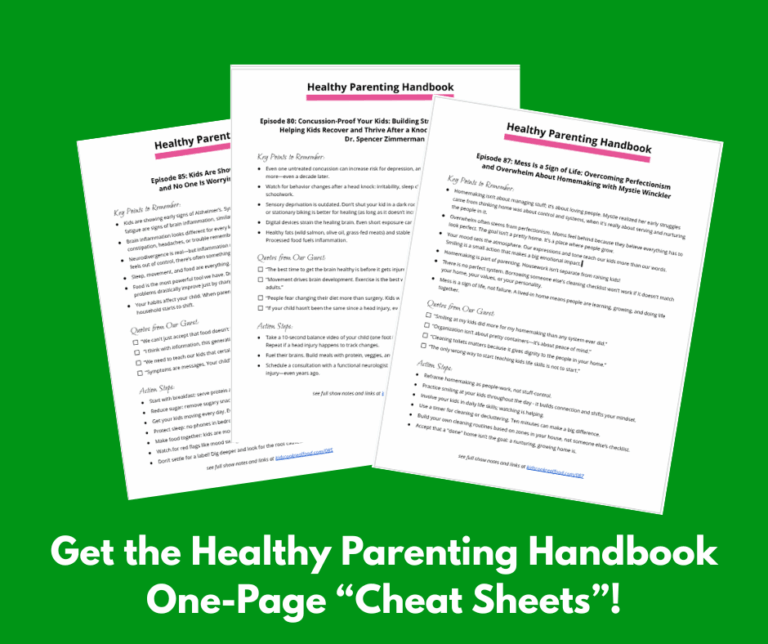
Turn expert advice into a handbook you can actually use.
I’ve interviewed hundreds of incredible experts on the Healthy Parenting Handbook podcast! Out of time to listen? You can skim on your phone!
These one-page summaries give you the highlights of every episode fast, so you can find what you need when you need it (and nothing to download).
100% privacy – You’ll also get Katie’s email newsletter with more practical tools for raising capable, confident kids. Change your preferences easily any time.
Key Takeaways about Nervous System Regulation
- All kids become dysregulated sometimes, but frequent, intense, or long-lasting dysregulation may be a sign that a family needs additional support.
- The best time to work on regulation is before a crisis happens. Regular connection, sensory activities, breathing exercises, movement, and time away from devices can help empty the “stress cup.” Here’s my post about taking care of your nervous system as an adult.
- Parents should regulate first, connect with their child second, and correct or teach only after the child is calm enough to think and learn.
I don’t believe devices are the devil, but they are absolutely part of this dysregulation crisis. – Dr. Roseann Capanna-Hodge
- A child can know the rules and still be unable to follow them when overwhelmed, because a dysregulated nervous system shifts into survival mode instead of problem-solving mode.
- Parents can help by becoming a calm presence instead of immediately lecturing, fixing, or solving the problem.
- Kids need opportunities to experience manageable discomfort and stress so they can learn that they are capable of getting through hard things – just like I talked about two weeks ago with Dr. Kathryn Hecht.
We want to actually point out what they did correctly in stressful situations. – Dr. Roseann Capanna-Hodge
- Parents can build confidence by noticing what a child did well during a hard moment instead of focusing only on what went wrong.
- Nervous system regulation gets stronger with repetition, just like building a muscle, and small practices throughout the day can gradually increase a person’s capacity for stress.
The Picky Eater Playbook: Get Pre-Order Bonuses!
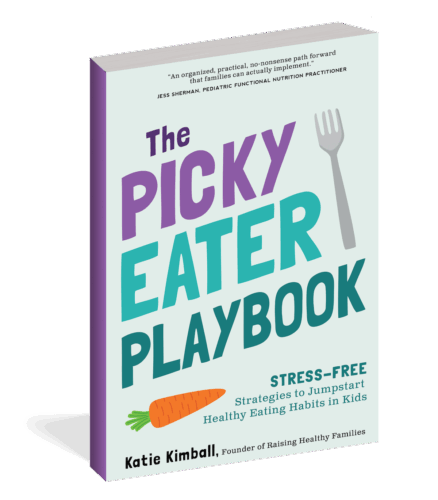
My first traditionally published book releases November 10, 2026! The Picky Eater Playbook: Stress-Free Strategies to Jump Start Healthy Eating Habits in Kids is packed with real-life stories, flexible strategies, and step-by-step routines to turn dinner from a power struggle into something the whole family can enjoy.
If you’ve done the No More Picky Eating Challenge and want to have all my strategies at your fingertips, it’s the perfect resource! Or if you’re just beginning to tackle dinnertime struggles at your house, it will walk you through my whole system for eliminating picky eating.
Pre-order now and get some amazing bonuses!
Learn More about The Picky Eater PlaybookAction Steps from This Episode
- Practice a calming technique with your child during peaceful moments so it is familiar when stress rises.
- Create regular times when the family powers down devices and spends time connecting, moving, cooking, or doing something together.
- Pause and regulate yourself before approaching an upset child, even if you need 30 seconds or a few minutes before responding.
- Wait until your child has calmed down before discussing behavior, consequences, or what could be done differently next time.
Americans are all or nothing. That’s not the real way the real world works. – Dr. Roseann Capanna-Hodge
- Notice and name something your child did successfully during a difficult moment, such as taking a breath, sticking with a hard task, or recovering after becoming upset.
- Practice 4-7-8 breathing three times during the day by inhaling for four counts, holding for seven, and exhaling for eight, repeating the cycle three times each time you practice.
No matter what life throws at our kids, we need them to be resilient.
This free download will give you some practical and actionable steps to improve brain health and resilience.
Resources We Mention for Helping Your Dysregulated Child
- Dr. Roseann’s book The Dysregulated Child releases 9/22/26! Grab it now.
- Episodes on stress mastery: Can We Help Our Highly Sensitive Kids Handle Their Stress? and Stress Busting for Moms
- What Is Nervous System Work, and Why Is It Important?
- Raising Kids Who Can Do Hard Things with Dr. Kathryn Hecht
- Try the Stress Mastery Challenge for free
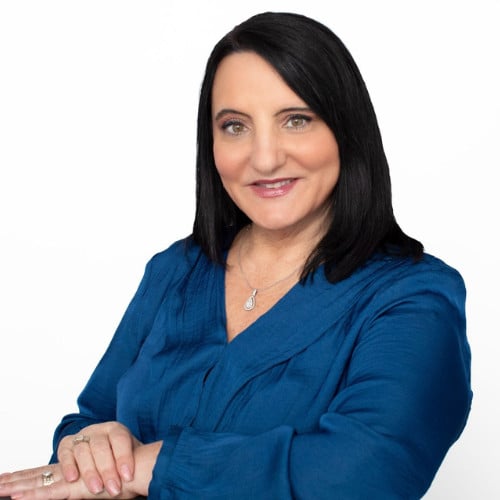
Dr. Roseann Capanna-Hodge is a leading expert in emotional and behavioral dysregulation with 30+ years of experience helping families move from chaos to calm. She specializes in nervous system dysregulation, the root cause of issues like ADHD, anxiety, OCD, mood disorders, and PANS/PANDAS.
As the creator of Regulation First Parenting® and the CALMS Dysregulation Protocol®, author of the upcoming book The Dysregulated Kid, and host of a top 1% podcast, Dysregulated Kids, Dr. Roseann provides science-backed tools to help parents support their child’s brain and behavior. Featured in The New York Times, Forbes, and Parents Magazine, she empowers families to regulate first—so real healing can begin.

Leave a Comment