“Never require a bite.”
That’s advice I give parents of picky eaters. So what happens when I interview a psychologist whose treatment includes required bites AND rewards?
Well, I ask a lot of questions!
In part two of my conversation with Dr. Jessica Bodie, we dig into some approaches that made me pause, push back, and think more deeply. I had just finished writing The Picky Eater Playbook, so you can imagine what was going through my head: “Wait. Do I need to rethink what I just wrote?”
One distinction keeps coming up: who we’re trying to help. My work focuses on everyday picky eaters and building a healthy relationship with food. Dr. Bodie works with extreme picky eaters, including children with ARFID (avoidant/restrictive food intake disorder), for whom eating unfamiliar foods can feel incredibly difficult.
We don’t agree on everything, and I’m glad we had room to explore that. We also find plenty of common ground, especially around helping kids feel capable, encouraging bravery, and making food less of a battle.
In this episode, we talk about:
- Why Dr. Bodie uses several practice bites instead of a one-bite rule.
- How structured food challenges differ from “You can’t leave the table until you eat.”
- Where rewards fit into her treatment approach, and why I question using dessert as a reward.
- Why a child might happily eat chicken nuggets but struggle with other meat.
- How grazing, snack portions, and drinks can affect appetite at meals.
- Why “Do you like it?” might be a harder question than we realize.
- How cooking and grocery shopping can help kids become more curious about food.
- When screens enter the treatment picture, and when families need professional support.
If you’re worried about your child’s eating, I hope this conversation helps you understand the options and ask better questions. And if you’ve ever wondered why picky eating experts sometimes give different advice, come listen as we work through those differences together!
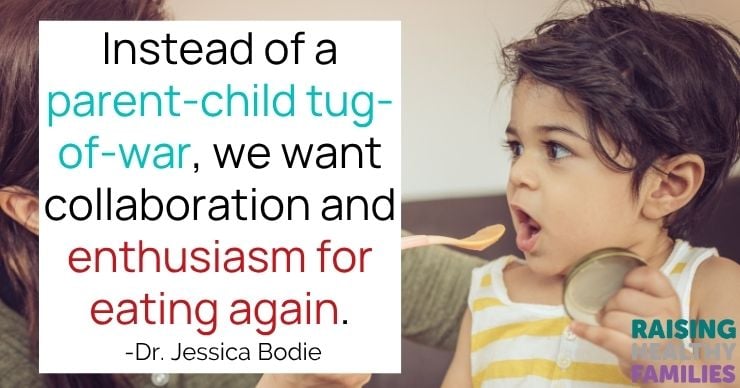
Love the Handbook?
Find all the episodes of the Healthy Parenting Handbook here, or listen on your favorite podcast player:





Don’t forget to leave us a review on Apple Podcasts too! Thank you!
Can't see the video? Watch on YouTube →
YouTube Shorts for This Episode
Key Takeaways about Treatment for ARFID in Kids
- Treatment for ARFID and extreme picky eating can differ from advice for everyday picky eaters, especially around required bites and rewards.
- Dr. Bodie’s approach uses structured food challenges with clear expectations and rewards, separate from regular meals. She does not recommend force-feeding, and children can decline the challenge.
- Predictability matters. Crackers usually taste and feel the same, while blueberries and meat can vary from bite to bite. Dr. Bodie suggests that uncertainty may help explain some food avoidance.
The first bite is a flavor bomb. – Dr. Jessica Bodie
- Scheduled meals and snacks can help children arrive with an appetite.
- For children who depend on milk or supplements for calories, changes need guidance from their care team.
- “Do you like it?” can put pressure on a child to decide immediately. Practicing and tolerating an unfamiliar food can be progress before enjoying it.
- Cooking and grocery shopping can build curiosity and ownership. For extreme picky eaters, those experiences may support treatment without being enough on their own.
The Picky Eater Playbook: Get Pre-Order Bonuses!

My first traditionally published book releases November 10, 2026! The Picky Eater Playbook: Stress-Free Strategies to Jump Start Healthy Eating Habits in Kids is packed with real-life stories, flexible strategies, and step-by-step routines to turn dinner from a power struggle into something the whole family can enjoy.
If you’ve done the No More Picky Eating Challenge and want to have all my strategies at your fingertips, it’s the perfect resource! Or if you’re just beginning to tackle dinnertime struggles at your house, it will walk you through my whole system for eliminating picky eating.
Pre-order now and get some amazing bonuses!
Learn More about The Picky Eater PlaybookAction Steps from This Episode
- If eating is severely limited or disrupting daily life, ask about a clinician experienced in ARFID and cognitive behavioral or exposure therapy.
- Keep structured treatment challenges separate from ordinary family meals, following your clinician’s plan.
- Review snack timing and portions to see whether grazing is crowding out meals.
A child can want to try a food and still have a real, physical struggle getting it down. – Dr. Jessica Bodie
- Consult your child’s care team before cutting back on milk, supplements, or other important calorie sources, especially if growth is a concern.
- Replace “Do you like it?” with encouragement such as “That was unfamiliar, and you practiced trying it.”
- Invite your child to choose a grocery item or help prepare a recipe. Celebrate curiosity and participation without requiring an immediate taste.
Resources We Mention for Treatment for ARFID in Kids
- If you register for the No More Picky Eating Challenge, there is a questionnaire to help you figure out if you have an extreme picky eater!
- Why feeding therapy can backfire with extreme picky eaters
- Simplify your schedule by scheduling your food
- Teaching kids to grocery budget, shop, and cook for themselves
- I always suggest finding a therapist versed in the SOS Approach to Feeding if you have an extreme picky eater
- Grab your copy of The Picky Eater Playbook now!
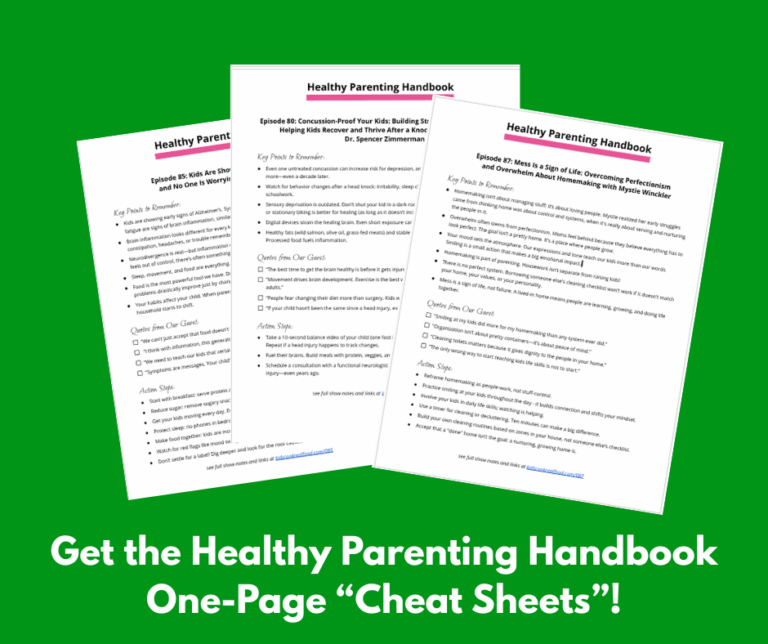
Turn expert advice into a handbook you can actually use.
I’ve interviewed hundreds of incredible experts on the Healthy Parenting Handbook podcast! Out of time to listen? You can skim on your phone!
These one-page summaries give you the highlights of every episode fast, so you can find what you need when you need it (and nothing to download).
100% privacy – You’ll also get Katie’s email newsletter with more practical tools for raising capable, confident kids. Change your preferences easily any time.
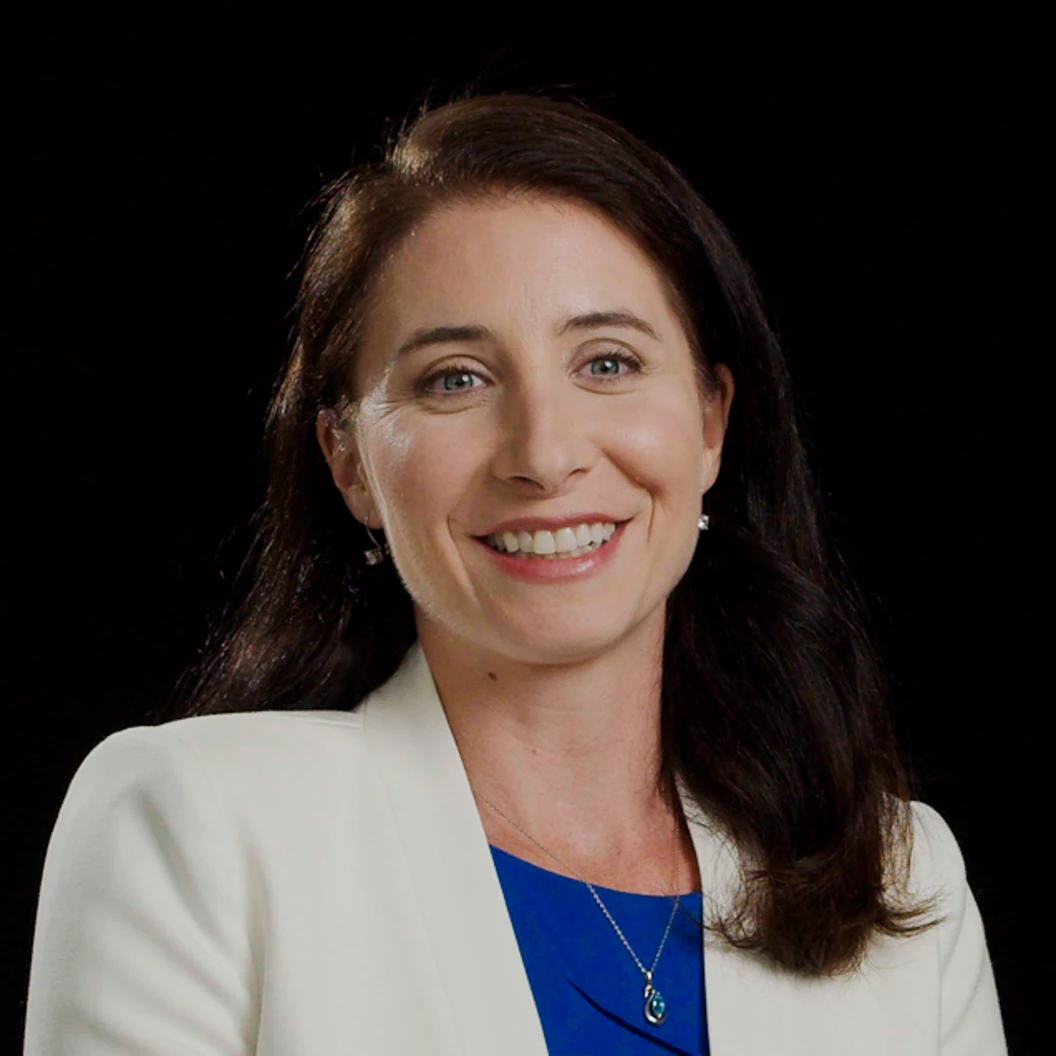
Jessica Bodie, Ph.D., is a licensed clinical psychologist and Director of Child Services at the Center for the Treatment and Study of Anxiety (CTSA) in the Perelman School of Medicine at the University of Pennsylvania. Dr. Bodie specializes in the treatment of OCD, PTSD, social anxiety, panic disorder, specific phobias, generalized anxiety, and picky eating/ARFID. She is a certified clinician, consultant, and supervisor in Prolonged Exposure (PE) for PTSD and Exposure and Response (Ritual) Prevention (EX/RP) for OCD.
Dr. Bodie has conducted research on and clinically treats extremely picky eating (also called Avoidant/Restrictive Food Intake Disorder, ARFID), emetophobia (vomit phobia), and choking phobia.
Dr. Bodie is active in the field and participates in teaching, writing, supervision, and consultation activities to disseminate evidence-based treatments for anxiety and related disorders.

Leave a Comment