“Structure” might not be the most exciting word in parenting.
In fact, if you’re anything like me, it might sound a little too much like schedules, color-coded charts, and someone who actually knows where all the matching socks are.
I am not that person.
But here’s what I’ve learned: structure isn’t about controlling our kids. It’s one of the ways we care for them.
I was recently talking with an 11-year-old who, I realized, didn’t really have a bedtime. No adult was telling him when it was time to sleep, and he was regularly falling asleep in class. That hit me hard.
Kids need choices, absolutely. But they need choices inside a fence. They need adults who create boundaries that say, “You’re safe here. I’ve got you.”
And mealtime is one of the best places to practice this.
In this episode, I’m sharing six practical habits that can make meals healthier, calmer, and far less exhausting for parents. We’ll talk about:
- Why structure can actually reduce stress for kids instead of creating more of it
- The ridiculously simple “veggies first” system that does not require you to chop carrots at 5:47 p.m. while everyone is melting down
- Three questions we use at our table to get kids talking about when they laughed, learned, and loved
- Why parents need a good poker face at the dinner table, especially with picky eaters
- How to give kids plenty of food choices while still keeping the very important boundary that you decide what gets served
- The after-dinner rule in our house that has helped my kids become people who automatically notice when there’s work to be done
- One tiny lunch-packing habit that can save you from pulling seven containers and three utensils out of the refrigerator the next morning
You do not need to implement all six ideas tomorrow. Please don’t.
Listen for the one that makes you think, “Ohhh. We need that.”
That’s probably your action step.
Love the Handbook?
Find all the episodes of the Healthy Parenting Handbook here, or listen on your favorite podcast player:





Don’t forget to leave us a review on Apple Podcasts too! Thank you!
Can't see the video? Watch on YouTube →
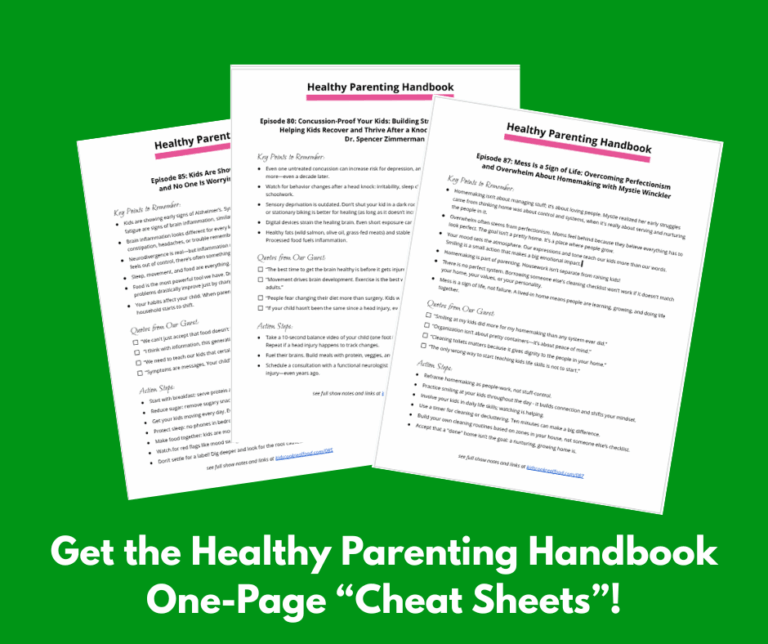
Turn expert advice into a handbook you can actually use.
I’ve interviewed hundreds of incredible experts on the Healthy Parenting Handbook podcast! Out of time to listen? You can skim on your phone!
These one-page summaries give you the highlights of every episode fast, so you can find what you need when you need it (and nothing to download).
100% privacy – You’ll also get Katie’s email newsletter with more practical tools for raising capable, confident kids. Change your preferences easily any time.
Key Takeaways about Making Family Mealtimes Less Stressful
- Structure and routines can actually reduce stress for kids, because clear boundaries help them feel safe, cared for, and secure.
- Starting a meal with gratitude, prayer, or a simple moment of connection helps signal that mealtime is about being together, not just eating. One of my most popular posts here is about the Family Dinner and its importance!
- Keeping vegetables easy to grab and putting them out first makes healthy choices more visible without adding a lot of extra work for parents.
The Picky Eater Playbook: Get Pre-Order Bonuses!
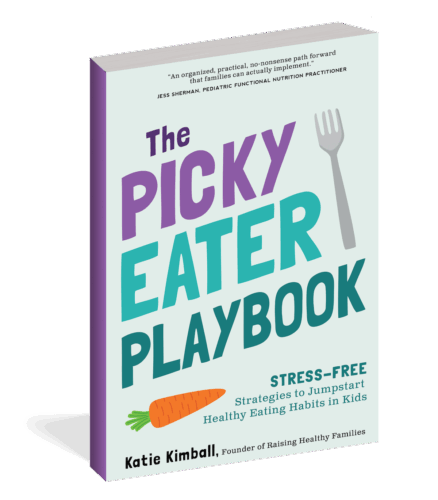
My first traditionally published book releases November 10, 2026! The Picky Eater Playbook: Stress-Free Strategies to Jump Start Healthy Eating Habits in Kids is packed with real-life stories, flexible strategies, and step-by-step routines to turn dinner from a power struggle into something the whole family can enjoy.
If you’ve done the No More Picky Eating Challenge and want to have all my strategies at your fingertips, it’s the perfect resource! Or if you’re just beginning to tackle dinnertime struggles at your house, it will walk you through my whole system for eliminating picky eating.
Pre-order now and get some amazing bonuses!
Learn More about The Picky Eater Playbook- Simple conversation prompts like “When did you laugh, learn, and love today?” can make family meals more meaningful and help kids build habits of reflection and connection. This comes from my conversation with Olympian Shannon Miller!
- Parents can decide what food is served while letting kids decide whether and how much to eat, which removes pressure and gives children room to listen to their own bodies.
- Shared cleanup routines and packing lunches while dinner is already out can save time, build responsibility, and help useful habits become automatic.
Action Steps from This Episode
- Choose just ONE new mealtime habit to work on first. Start with the one that would reduce the most stress in your home.
- Create a clear beginning to dinner with gratitude, prayer, or a few calming breaths.
- Set up an easy veggie system so you can put vegetables on the table with almost no extra prep.
- Try the 3 L’s at dinner: When did you laugh, learn, and love today?
- Practice your poker face. Serve the meal without pressuring, bribing, or rewarding your child for eating.
- Create an after-dinner routine: divide cleanup jobs and have school-age kids pack tomorrow’s lunch while the food is already out.
“Mooooom, I’m hungry!!”
How many times do your kids ask for snacks each day? Wouldn’t it be a relief if they were empowered to prepare their own snacks, instead of coming to you and whining about how hungry they are?
Download and print:
Resources We Mention for Mealtime Habits for Families
- The Kimball Family Chores System helps develop good habits to make getting a clean house simpler!
- You can learn how all these habits work to solve picky eating from the No More Picky Eating Challenge and also in my upcoming book, The Picky Eater Playbook!
- My interview with Deborah MacNamara about food and family connecton
- Why kids have anxiety
- Family dinner rituals for physical and mental health
- Why “veggies first”?
- A good divided vegetable tray to try
- My interview with Shannon Miller where she talks about the three L’s
- Yes, we have nights when our kids cook dinner! Here’s how to start one.

Leave a Comment