What happens when you mess up as a parent?
Because let’s be honest… no matter how intentional you try to be, no matter how many goals you set, there are still going to be moments where you lose your patience, react in a way you regret, or just plain get it wrong. The real question is not if that will happen, but what you do next.
In this second half of my conversation with Jon Hord, we move from awareness into action. Jon shares what it actually looks like to repair those hard moments with your kids, how to model growth instead of perfection, and why those “mess up” moments can become some of the most powerful connection points in your family.
This episode is incredibly practical, but also deeply encouraging. You are not stuck in your patterns. You are not defined by your worst moments. And you have more influence than you think in shaping your relationship with your kids moving forward.
In this episode, we cover:
- What to say after you lose your temper or handle something poorly
- Why apologizing to your kids builds respect instead of weakening authority
- How to turn parenting mistakes into opportunities for connection
- The difference between working on yourself silently and involving your kids in the process
- A simple way to help kids learn compromise and ownership (using dinner!)
- Why the dinner table is one of the most powerful connection points in your home
- The impact of removing phones and distractions during family time
- One mindset shift that can instantly change how you respond to your kids

Love the Handbook?
Find all the episodes of the Healthy Parenting Handbook here, or listen on your favorite podcast player:





Don’t forget to leave us a review on Apple Podcasts too! Thank you!
Can't see the video? Watch on YouTube →
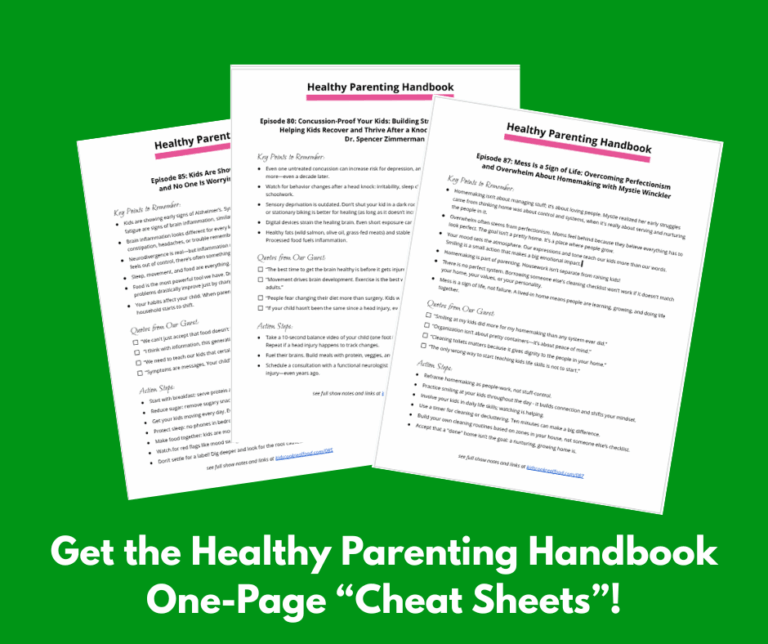
Turn expert advice into a handbook you can actually use.
I’ve interviewed hundreds of incredible experts on the Healthy Parenting Handbook podcast! Out of time to listen? You can skim on your phone!
These one-page summaries give you the highlights of every episode fast, so you can find what you need when you need it (and nothing to download).
100% privacy – You’ll also get Katie’s email newsletter with more practical tools for raising capable, confident kids. Change your preferences easily any time.
Key Takeaways about Repairing Parenting Mistakes
- You will mess up as a parent. The goal is not perfection but how you repair after those moments.
- Apologizing to your kids and being honest about your growth builds trust and models emotional maturity.
- Vulnerability is not weakness; it is a powerful tool for connection.
- Many parents carry patterns from their own childhood, and breaking those patterns takes intentional effort and patience.
- Progress does not require big, dramatic changes. Small, consistent steps forward matter most.
You will mess up, but those moments can become opportunities. – Jon Hord
- Even silent growth counts, but inviting your kids into the process can deepen relationships.
- Creating intentional moments, like shared meals or simple activities, gives space to practice new habits.
- Parenting growth is less about controlling your kids and more about leading yourself well.
The Picky Eater Playbook: Get Pre-Order Bonuses!
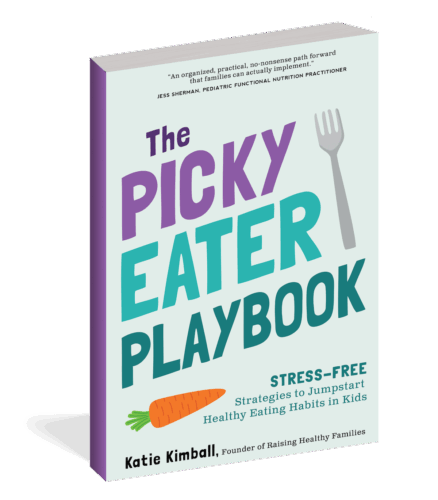
My first traditionally published book releases November 10, 2026! The Picky Eater Playbook: Stress-Free Strategies to Jump Start Healthy Eating Habits in Kids is packed with real-life stories, flexible strategies, and step-by-step routines to turn dinner from a power struggle into something the whole family can enjoy.
If you’ve done the No More Picky Eating Challenge and want to have all my strategies at your fingertips, it’s the perfect resource! Or if you’re just beginning to tackle dinnertime struggles at your house, it will walk you through my whole system for eliminating picky eating.
Pre-order now and get some amazing bonuses!
Learn More about The Picky Eater PlaybookAction Steps for This Episode
- When you mess up, go back and repair. Apologize simply and honestly, and let your child share how it affected them.
- Ask questions instead of shutting down the conversation.
- Choose one small intention each day for how you want to show up as a parent.
The hardest step is the first one. Once you start moving, it gets easier. – Jon Hord
- Practice pausing when emotions rise instead of reacting immediately.
- Try creating simple, intentional moments with your kids, like letting them help choose or make a meal.
- Keep phones away from the table to protect connection time.
- When your child is talking, silently remind yourself, “I’m so grateful for this moment,” and notice how it shifts your response.
- Focus on small forward steps instead of trying to fix everything at once.
Resources We Mention for Repairing Parenting Mistakes
- Join the Engaged Father Project community now
- The importance of family dinners
- What is the role of fathers when it comes to teaching kids about health and food?
- Helping teens and tweens build a healthy relationship with technology

Jon Hord is the founder of The Engaged Father Project, a coaching program that helps busy professional dads show up with presence, purpose, and emotional strength at home. After years of chasing success while drifting from what mattered most, Jon rebuilt his life through self leadership and intentional fatherhood. Now he teaches fathers how to break old patterns, lead with identity, and create a legacy their kids will feel for generations.

Leave a Comment