
You know how Google is super helpful and tries to finish your thought when you start typing a search.
That gives us an interesting perspective because what Google chooses to fill the space with is typically some of the most popular searches. Thus we can learn what others are searching for, what their needs are.
If you type picky eater into a search some of the recommended searches are things like: picky eater recipes, picky eater food list, picky eater dinner ideas, and picky eater lunch ideas.
I got a bit of the same vibe when I do podcast interviews on picky eating. Hosts very commonly ask, “So what are the best recipes to feed picky eaters?”
Between that and the questions that I get directly from parents often I can tell that people feel like picky eater recipes will be some sort of magic solution.
If they can just cook the right food, if they can just prepare the vegetables in the right way or if they can just figure out healthy foods their kids will eat, then the picky eating might go away.
Quite often, though, the results are disappointing.
I remember one story of a mom and our first no more picky eating challenge. She introduced herself and explained a little about her picky eating challenges.
I could hear the despair and dejection in her tone, even through text when she said she had tried so many “kid-friendly recipes” she found on Pinterest and the kids didn’t even eat those.

When Is a Recipe a Solution?
Let’s think about this a little bit. Could a picky eater recipe solve a picky eating problem? Are there other instances where recipes work for everyone?
Let’s think about a restaurant. When’s the last time you went to a restaurant and they only offered one perfect recipe? Even the best restaurants can’t get everyone to agree that they like this recipe or that recipe.
If you’re married, I bet you took some time testing out wedding cakes. Everyone has different preferences, right? Even the best wedding cake recipe wouldn’t be the one chosen by every bride and groom. We know that.
Different ethnicities have very different style foods, and from country to country folks use a variety of spices, vegetables, and food preparation styles. There’s definitely not one single recipe that everyone will eat even among non-picky adults.
So perhaps looking for that perfect picky eater recipe isn’t really the answer that we want to be searching for.

I believe…
- kids can have a healthy relationship with food
- dinner tables don’t have to be stressful
Let’s make a difference at YOUR family dinner table with a strategy-filled challenge so that you feel empowered to serve healthy food without stress, and without any charge. My gift to you!
Jump into the No More Picky Eating 5-Day Challenge right now. End power struggles and have more peaceful mealtimes!
When we have choices and feel some control over our situation, and some of our picky eaters end up doing better. The choices are important because we are all different and have different preferences and ways in which we interact with the world.
Sensory Processing Difficulties Greatly Impact Picky Eating
I love some of the questions little kids ask. The other day Gabe, age six asked me, “Do you think a cucumber tastes the same to me and daddy, but he just doesn’t like it and I do, or do they taste completely different?” Isn’t that a great question?
We really have no idea about the taste experience of other people. It’s very clear that when it comes to our sensory system, different people process the input differently.
For example, a friend of mine adores the sound of a wineglass clinking a granite countertop, she thinks that sounds rich and elegant. To my poor, sensitive ears, on the other hand, I think it sounds sharp and attacking. I cringe. She grins. Same sound, different ways that our bodies are processing it.

Many kids’ senses run a little high. (Some even higher than others.) They are over-reactive to things like taste, smell, texture, sound, or even visual cues.
Any of these can actually impact the way the child will engage with food. If there are sensory processing difficulties, it’s not about the perfect recipe for picky eaters, it’s generally about figuring out the presentation that fits your child without overwhelming their senses.
RELATED: You can learn more about Sensory Processing Disorder here.
Michelle is a mom in our Kids Cook Real Food™ eCourse who has a sensory sensitive nine-year-old daughter, she found that she needs to serve foods separately and that when her daughter has some choice about mixing them, sometimes she actually will. (This never happened when Michelle was trying to hang on to control.)
Kids don’t need plastic knives. They need real skills.
Teach safe technique, focus, and confidence in the all-time fav lesson from our kids cooking class! (ages 2-12)
Kids who process their senses differently may need a little less seasoning because things feel to spicy to them. They might like their veggies, very, very well cooked and mushy because they don’t like the sound of crunching in their mouth.
On the other hand, some kids can’t stand the texture of well-cooked vegetables and would embrace them raw. A lot of kids who have some sensory challenges, don’t like their foods to be mixed.
RELATED: All 8 senses can play into picky eating. See how here!
Oral Motor Weakness and Picky Eating
A common thread among picky eaters is wanting only foods that are easy to eat.
Check out this classic list:
- chicken nuggets
- pasta
- puff cereal
- grilled cheese
All of these are very easy to chew which is another sign of sensory processing challenges or maybe just a weak ability to chew which can totally cause picky eating.
I’ve noticed this in myself before. There are some nights when I’m just drained and have no capacity and I think, “I don’t really want a salad tonight. It’s too much doggone work to chew it.”
That’s right, I literally get tired eating salad. So imagine a child with less oral motor strength. They might get tired of, or be completely unable to chew something like grilled chicken, or steak, or crunchy vegetables. (Try this easy trick to make salad easier to eat!)
They look like a picky eater, but it’s really about their mouth.
Is There Such a Thing as Kid-Friendly Food?
If we look at cultures around the world, we know that children do not universally eat the same things.
Some children embrace very spicy foods while others may be used to bitter seaweed paper. Some are used to strong tastes like miso while others don’t mind the slimy texture of escargot.
It’s really not fair to our kids to expect that they are only going to eat “kid-friendly foods” like pasta, chicken nuggets, and pizza. The only reason these are kid-friendly is that we allow them to be.
We can definitely work with our kids to shift their palates to more diverse flavors. Instead of looking for kid-friendly recipes, I recommend working to help your kids expand what they enjoy.
You can use a technique called bridging and start your kids out with foods that they already enjoy and move them to foods that they haven’t yet tried.

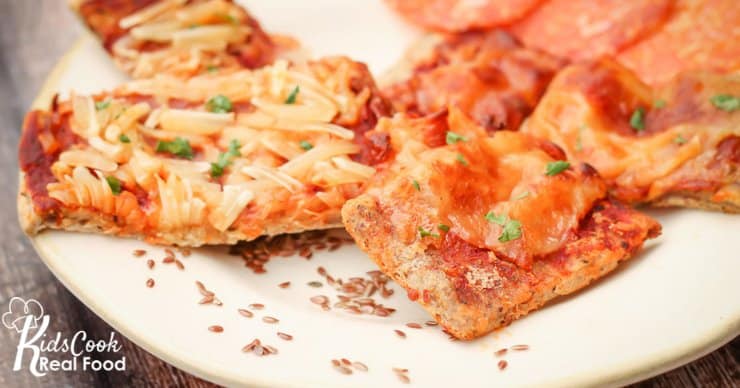
For example, if your child loves pizza, you might serve vegetables covered in marinara sauce and cheese, pizza veggies. Or you could work on switching up the crust in pizza to something with whole grains.
Just using similar flavors, textures, or even shapes can help kids feel like a new unfamiliar food has some familiarity to it.
RELATED: Get more super-practical strategies for picky eaters here.
Solving our picky eating epidemic is so much less about finding the right recipe and so much more about helping our kids build a great relationship with food. This can be a hard task for parents who are exhausted at the end of the day, but we have to figure out how to keep things positive.
“I just want my kids to eat what I make!”
This free 5-day challenge was made for you.
Spend just 30 minutes a day learning practical strategies that reduce mealtime battles and help kids build confidence with food.
A World With No Picky Eaters
I believe a world is possible where all kids can eat well without a fight, enjoying a wide variety of foods. A world is possible where typing picky eater into a Google search returns no popular answers because no one is searching for it anymore.
For your family or your child, this may not be tomorrow, but I have hope that it will happen eventually, it’s time to stop searching for recipes.
Listening to your child’s individual challenges means you will help them build a healthy relationship with food and at the same time improve your relationship with each other.
To dig in deeper and join 1000s of other families, I invite you to join the No More Picky Eating Challenge.
85% of challenge families reported feeling less stressed at the table in just five days. We run it a few times a year so please check when the next date is here:


Leave a Comment