You know when we have a repeat guest here on the Healthy Parenting Connector, they’re really good!
As soon as I finished this interview, I bought Phyllis Fagell’s new book called Middle School Superpowers, and it’s in my stack!
In our first interview, we talked about why middle school kids are built a bit differently than other phases of life and why it’s a critical time to parent well and help them grow into themselves.
It’s one I’ve often referenced, which is why I couldn’t pass up the chance to have her back.
Today you’ll learn:
- why middle school is so different now than in our own childhoods
- the “superpowers” middle schoolers possess (and more importantly, how to help them lean into these instead of losing them)
- why it’s soooo difficult and yet soooo important for middle schoolers to embrace imperfection and learn to recover from setbacks
- how I think many ages will also benefit from this info, including adults!
- the best way to save our kids from the epidemic of depression and self-harm 🙁
- the dance of tweens, their parents, and PHONES
- specific questions you can ask your kids when they’re freaking out about something
- what optimistic kids have that others do not
I used multiple strategies from Phyllis in the first week after I interviewed her, and I think I’m going to listen to it again just to cement them in!
Can’t see the video? Watch Middle School Superpowers here on YouTube!
No time for the video? Here are the notes!
Raising Resilient Middle Schoolers
- 0:19: I’m so glad to have return guest Phyllis Fagell on the Healthy Parenting Connector today to talk about raising middle schoolers! You can catch my first interview (also about middle schoolers) with Phyllis here.
- 2:06: Many adults have less-than-fond memories of their middle school experiences, it seems like it’s even more challenging to navigate today than when we were kids. Of course, the developmental stage kids are in during middle school is the same. They’re still entering puberty, very sensitive, and very insecure.
- 3:10: The big difference between when our generation was in middle school is the environment. There are more distractions, their social life follows them home on social media so they never get a break, they’re exposed to filtered, unrealistic images of perfection everywhere they look, there’s also cultural division and global instability, and gun violence concerns, not to mention the pandemic affecting things and on and on. No wonder mental health issues are spiking among teens and tweens!
- 4:06: Let’s start by talking about global events. There are lots of things happening that our 12 and 13-year-olds don’t necessarily even need to know about but are being exposed to online, often without parents’ knowledge. If a child thinks we will be shocked that they’ve heard of something or they really can’t make sense of it they’re much less likely to ask for help understanding. Kids this age worry about everything, we want to help them navigate what information they’re taking in. For more on setting tech boundaries with teens check out this interview.
- 5:24: You can “hack” the algorithm on your social media. The more you look at certain types of content, the more it will be recommended to you. If you want your feed to be filled with funny dog clips instead of disturbing news, don’t click on the news, watch more dog clips!
- 6:01: Phyllis recommends spot-checking your child’s tech usage, especially if they’re struggling with what they’re seeing, not getting enough sleep, or keeping up with responsibilities due to technology. Don’t make it secretive, be open about why you’re checking in.
Middle School Superpowers
- 7:34: Phyllis’s new book is about 12 middle school superpowers! A few examples are the power of finding out where you belong, finding hope as you encounter hard times, and growing the ability to make a plan and have foresight.
- 9:18: The superpowers are life skills that kids develop during their teen years. Some kids will naturally be stronger in some areas than others. As you read the book you’ll be able to see where you need to help your child along and where they’re already stronger.
It’s a huge gift to your kids to figure out the areas where it’s harder for them to get back on their feet, and give them some tools to help them. -Phyllis Fagell
- 11:02: Phyllis shares a practical example of how you would work through a difficult situation with a child. Always start by empathizing with the child and acknowledging that this is hard and they’re upset. Focus on what they can control in the situation.
- 13:30: Kids will let their imaginations default to worst-case scenarios when they’re upset, “All my friends must hate me” or “I’ll never be any good at math.” We want to teach them cognitive flexibility. Start by saying, “I don’t need you to believe this, but it’s also possible that…” and have them fill in the end of the sentence with a positive possibility. i.e. “It’s possible you’ll improve in math.”
- 15:30: Several of the middle school superpowers were demonstrated in the previous examples. Assuming positive intent falls under the superpower of super belonging. “It’s also possible that…” comes from super optimism. Superbounce gives kids a path back to equilibrium after a difficult situation.
- 17:05: Phyllis refers to relentlessly negative kids as having “Eeyore syndrome.” She recommends having them make lists of 5 things that are positive. It can be something that was fun or funny, something they were able to do to contribute to the household or help someone. This feels very similar to other advice I’ve heard about keeping gratitude lists with negative kids.
- 17:52: Negativity is so pervasive in this age group. They’re often hypercritical of themselves, but very encouraging and nurturing when talking to their friends. We want them to talk to themselves like they would talk to a friend.
Parenting Opportunities in Middle Schoolers
- 18:56: What special opportunities do parents have in the middle school years? These kids are very impressionable and developing rapidly. Even though it might not seem like they’re listening, they still very much care what their parents think. We can really set them up for success in high school, college, and adulthood by taking advantage of the opportunities at this age to connect with our kids and teach them these life skills now.
- 19:56: Phyllis calls middle school “the last best chance” to influence our kids. By high school kids are identifying much more with their friend groups than their parents. It’s not that you can’t start being more intentional with your kids once they’re in high school, but there’s a unique window in middle school where everything is in flux and they really need your guidance.
Kids don’t need plastic knives. They need real skills.
Teach safe technique, focus, and confidence in the all-time fav lesson from our kids cooking class! (ages 2-12)
It may not seem like it, but middle schoolers still really care what their parents think. -Phyllis Fagell
- 20:30: When kids argue with you it’s actually a sign of respect because they care what’s going on in your head and want to figure out what you think.
- 21:39: Kids catch our emotions. Processing through your own emotions so that you can be non-reactive with your kids when you’re actually upset or struggling with something they’re going through. Here are two tips for you as a parent: set aside time each week to have a substantive conversation with someone who cares about you, and understand that you can’t be everything to everyone. It’s ok to encourage your child to go to other adults as well with their struggles. You can help them choose a few adults whom they can trust.
Middle School Post-Pandemic
- 23:37: Stats on depression and anxiety were not looking good before the pandemic, and they’re even worse now. We talk about how parents can help kids struggling with their mental health or self-harm. Help your kids realize they can ask for help and they should go to an adult, not another 7th grader. Talk to them about this when they’re not in crisis. You can work on coping strategies together and seek help from professionals when you need it. This could look like a social support group or occupational therapy. There are resources out there beyond traditional talk therapy.
- 25:28: Middle schoolers are so insecure and there’s so much confusion out there with issues of gender, sexuality, race, and religion. It’s tough when kids are trying to figure out who they are. We can help them develop a strong sense of self and healthy self-esteem. We want them to see positive examples of people struggling through and overcoming challenges. Here’s the Throwing Leftie site Phyllis mentions.
- 28:18: How can parents share their own values when kids seem to be choosing something contrary to those? Phyllis shares a game you can play with your teen to define values and share your own reasonings. Encourage your child to hold onto those values they chose so they can use them to filter decisions in the future.
- 31:10: Approach your kids with curiosity. You can ask questions to help kids think through their choices. “Do you think this friendship serves you? I notice you’re doing all the emotional labor. Does it seem balanced to you?” versus “That person is a terrible friend and you should walk away.”
- 32:36: Phyllis reads through all 12 superpowers for a quick overview of the book. They’re super-belonging, super-sight, super-vulnerability, super-bounce, super-agency, super-forcefield, super-security, super-healing, super-balance, super-optimism and super-daring.
“I just want my kids to eat what I make!”
This free 5-day challenge was made for you.
Spend just 30 minutes a day learning practical strategies that reduce mealtime battles and help kids build confidence with food.
Building Confidence in Middle School
- 34:38: Around age 9, kids start to be worried about whether their skills match up to their classmates. They become less likely to take risks because they fear failure. Girls’ confidence drops by 46% during the middle school risks.
- 35:20: We talk a lot about acceptable risks at Kids Cook Real Food™ because we’ve got knives and stoves, and you could totally mess up a recipe and waste ingredients. The confidence kids build in the kitchen extrapolates into other areas of life.
- 35:49: Taking social risks is so hard for middle schoolers. You may think “Just call your friend and invite them over.” But there are 20 steps the child needs to go through before making the call.
- 36:20: You can draw a ladder with your child and acknowledge all the steps it can take to master a skill or build up the courage to take a risk. Celebrate their success each step of the way!
- 36:35: These superpowers can be helpful for all ages and stages. If you can work on this in middle school it’s like jet fuel for your child’s future, but you can still start with a highschooler or even gain some nuggets of wisdom for yourself. Get Phyllis’s book Middle School Superpowers here.
- 38:23: I was recently talking with a teacher friend who shared that each cohort of students is coming out of the pandemic differently depending on what grade they were in during the depth of lockdowns. Kids who were juniors and seniors have become very apathetic. Those who were in 3rd and 4th grade are really struggling with the transition from “learning to read” to “reading to learn” because they missed a pivotal point in that transition.
- 39:11: Phyllis has seen that kids who “missed” middle school due to school closures are experiencing the same milestones and social transitions, just a few years delayed. They also tend to really value social connections. They didn’t have the social skills to maintain social connections without in-person, structured activities bringing them together.
- 41:47: The superpowers Phyllis chose really came out of the last five years. The kids who had these superpowers did well going through the pandemic and the kids who didn’t struggled more.
Resources We Mention for Raising Middle Schoolers
- Get Phyllis’s new book: Middle School Superpowers: Raising Resilient Tweens in Turbulent Times here
- Phyllis’s first book Middle School Matters
- You can catch my first interview (also about middle schoolers) with Phyllis here
- For more on setting tech boundaries with teens check out this interview
- Coping strategies you can work on with your teens with anxiety
- The Throwing Leftie site Phyllis mentions
- Follow Phyllis on social media: Instagram, Facebook
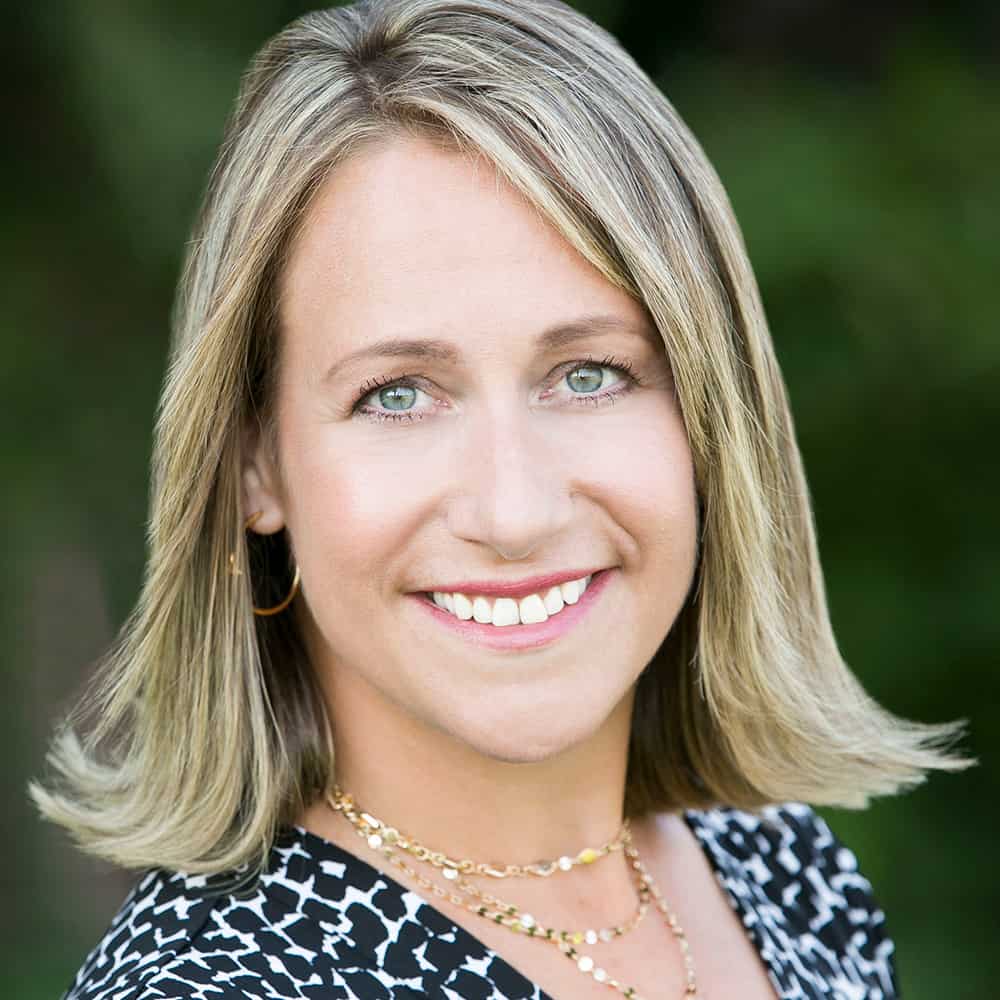 Phyllis L. Fagell, LCPC is a nationally board-certified school counselor and a therapist who works with kids and families in private practice at The Chrysalis Group in Bethesda, Maryland, an educational consultant, and an author and journalist. She’s the author of the bestselling books “Middle School Matters” and “Middle School Superpowers” (Hachette Books) and a frequent contributor to The Washington Post. She also freelances for publications including Psychology Today, CNN, Working Mother, U.S. News & World Report, and Your Teen, and her ideas have been shared in outlets including The New York Times, The Atlantic, The New Yorker, Edutopia, Mindshift, and NPR. Phyllis speaks at schools and organizations nationally and internationally on a broad range of topics related to counseling, education, and parenting. She lives in Bethesda, Maryland with her husband and three children.
Leave a Comment