
Do you eat organic food?
If you do – even a handful of fruits and vegetables – you might be in for a rude surprise when you listen to this interview.
Max Goldberg is the founder of Organic Insider and one of the nation’s leading organic food experts. He sees significant room for improvement, really a NEED for improvement, when it comes to the USDA Certified Organic label.
Max and I dove into policy, reality, and labeling in the organic industry, and I for one learned a LOT.
You can learn too:
- the biggest misconception about organic foods
- a major issue in organics that has the potential to limit our choices at the grocery store and even disintegrate the entire industry
- how we as consumers can avoid this issue at the grocery store
- the best way to find “real” organic food, and why it’s actually better for your family
- what shocking toxin is getting into organic foods (and how to avoid it)
- the first step families can take if you’re not eating organic food already (and a really budget-friendly tip)
- the next step families should take if you’re already making some organic food choices
Find all the episodes of the Healthy Parenting Handbook here, or wherever you get your podcasts:





Don’t forget to leave us a review on Apple Podcasts too! Thank you!
Can’t see the video? Watch The Truth about Organic Food on YouTube!
No time for the video? Here are the notes!
Time Stamps for USDA Organics Problems
1:23 – Max Goldberg was called an “organic sensation” by The New York Times
- He runs Organic Insider and the Organic Food Industry Group on LinkedIn (40,000+ members)
- Max has been eating 100% organic since 2001
From Wall Street to Organics
2:39 – Max was an investment banker before discovering organic food in 2001.
- A naturopath opened his eyes to toxins in food and farming
- Attended his first organic trade show in 2009—“the best day of my life”
- Watch the video for Max’s personal story of how he fell in love with organic food.

The Biggest Misconception about the USDA Organic Seal
6:24 – Most people believe the seal = guaranteed quality
- In reality, there is a “massive discrepancy” between small organic farms and large corporate producers
- Example: A 2017 Washington Post investigation exposed industrial dairies producing “organic” milk that tested closer to conventional milk
- Watch the video for why the organic seal doesn’t always mean the same thing.
10:17 – What the USDA Organic seal is supposed to mean
- No GMOs, no toxic pesticides, no antibiotics
- For animals: minimum 30% pasture rule and freedom to exhibit natural behavior
- But enforcement is inconsistent
Hydroponics: The Biggest Threat to Organic
12:00 – USDA allows hydroponics under the organic label, even though the law requires fostering soil fertility
- Hydroponics = plants grown in water, drip-fed nutrients
- Problems:
- Against the law’s intent
- Puts soil-based farmers at a disadvantage
- Consumers lose choice at the supermarket
- Food grown without soil lacks full nutrition
- Watch the video for Max’s explanation of why hydroponics should never be called organic.
17:21 – What to look for instead: add-on labels
- Real Organic Project – farmer-led, prohibits hydroponics and factory farms
- Regenerative Organic Certified – launched by Dr. Bronner’s, Patagonia, and Rodale Institute; focuses on soil health, worker fairness, and animal welfare
- Both require USDA Organic as a baseline, then raise the standards
Are organics really better for you? Check out this article from Dana Kay on Kitchen Stewardship about that question.

Why Soil-Based Farmers Are Struggling
22:08 – Hydroponics create an unlevel playing field—cheaper, faster, and no 3-year transition period
- Big hydroponic operations in Mexico/Peru ship to the U.S. (even though hydroponic organic is banned in their own countries)
- Watch the video for Max’s breakdown of how corporate lobbyists influence USDA rules.
28:30 – Which foods are most likely hydroponic?
- Tomatoes
- Berries (blueberries, strawberries, raspberries)
- Peppers
- Cucumbers
- Some greens and herbs
Kids don’t need plastic knives. They need real skills.
Teach safe technique, focus, and confidence in the all-time fav lesson from our kids cooking class! (ages 2-12)
What Can Consumers Do?
29:25 – Support soil-based farmers! Find Real Organic Project farms in your area and buy directly.
- Demand transparency from brands. Call your favorite brands and ask if they test for glyphosate and pesticides
- Look for glyphosate residue-free certification – Brands like Zego Foods lead the way with testing
33:30 – USDA officials have even floated allowing gene editing in organic! Eek! The organic label is under constant pressure to be weakened.
Practical First Steps for Families
37:29 – If you’re just starting with organic: pick one meal (like breakfast) and make it organic every day. If you’re already organic: step up your game with Real Organic Project or Regenerative Organic Certified products.
- Use Cornucopia’s organic score cards to choose the best milk, eggs, oats, and more
- Looking for a healthy breakfast? Try these healthy whole grain pancakes!
39:37 – Rethinking the “Clean 15.” The Clean 15 list only means “cleaner,” not pesticide-free. Even bananas can be brushed with fungicides before shipping! (I suggest memorizing the Dirty Dozen list still.)

Resources Mentioned for Problems with Organics
- Cornucopia’s organic score cards
- Healthy, whole grain soaked pancakes (and more breakfast ideas here)
- Memorize the Dirty Dozen produce list & how to clean produce
- Is organic food really better?
- Max has a free newsletter with policy-focused updates called Organic Insider, or find out more on his website Living Maxwell
- Find Max on Instagram @organic_insider
 Called “an organic sensation” by The New York Times and named as “one of the nation’s leading organic food experts” by Shape magazine, Max Goldberg is the founder of Organic Insider, the most influential newsletter in the industry today. He has been covering the organic industry for the past 14 years and also runs the Organic Food Industry group on LinkedIn, which counts more than 40,000 members from around the world. A former Wall Street investment banker, Max received his BA from Brown University and his MBA from the Columbia University Graduate School of Business. He has been eating close to 100% organic since 2001.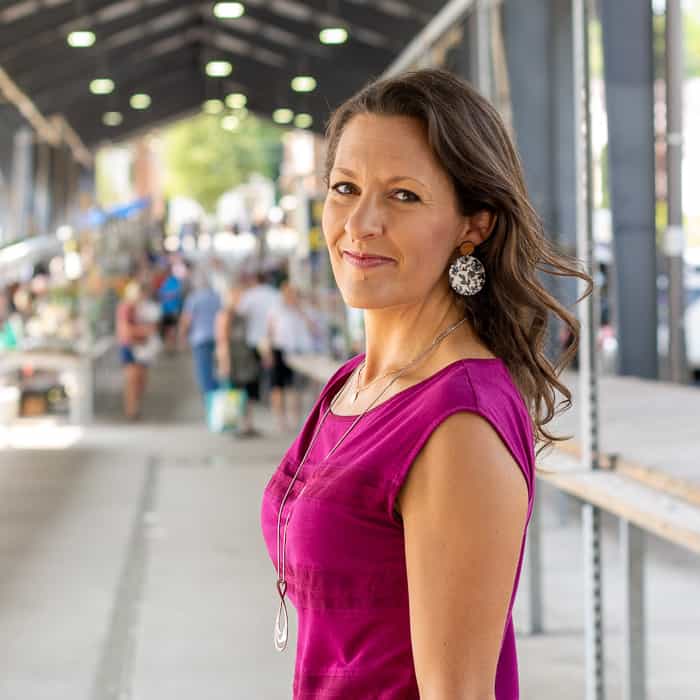
Leave a Comment