If you’ve ever looked around your house thinking, “Why am I still doing everything for these capable humans?” — this episode is for you.
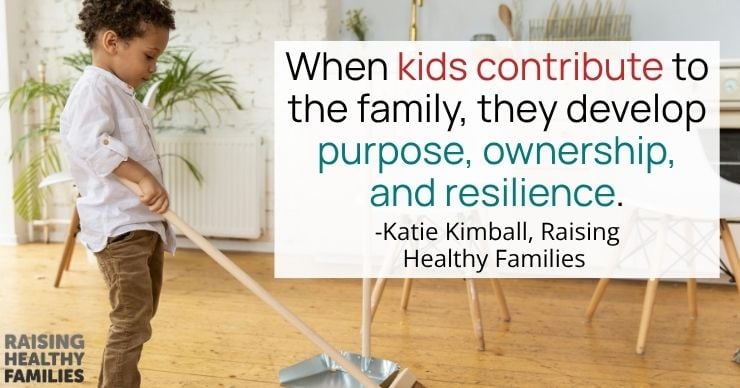
I’m deeply passionate about helping parents raise kids who are not only healthy, but independent, resilient, and prepared for real life. And honestly? Chores and family responsibilities are one of the most powerful tools we have to make that happen.
In this conversation with Hunter Clarke-Fields from the Mindful Mama Podcast, we talk about why chores are about so much more than getting help around the house. They help kids build confidence, ownership, problem-solving skills, and even better mental health.
We also talk about:
- Why responsibility protects teen resilience
- How to start chores with toddlers and preschoolers
- What to do if your teen has never really helped before
- Why contribution matters more than perfection
- How to stop nagging and build systems that actually work
And yes — I share the exact chore system we’ve used in our family for over 10 years.
Whether your child is 4 or 14, it’s never too late to start building the life skills they’ll carry into adulthood.
Love the Handbook?
Find all the episodes of the Healthy Parenting Handbook here, or listen on your favorite podcast player:





Don’t forget to leave us a review on Apple Podcasts too! Thank you!
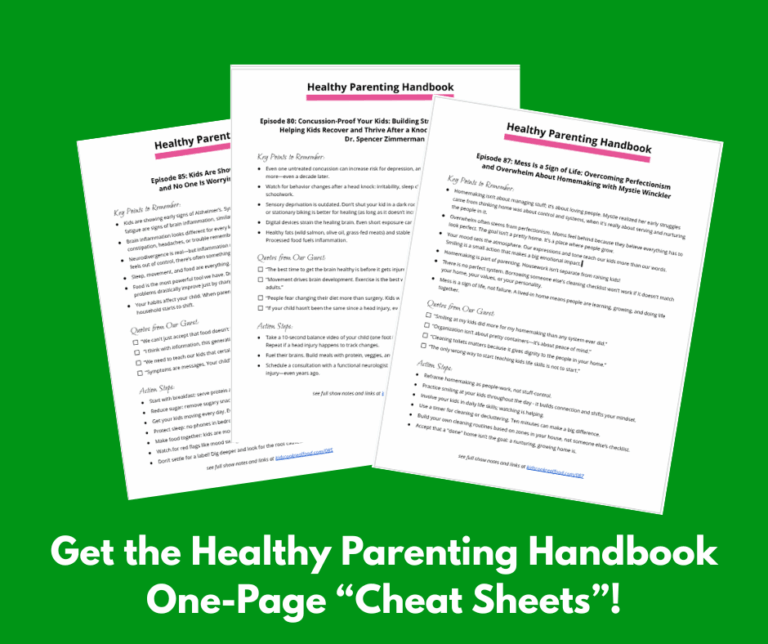
Turn expert advice into a handbook you can actually use.
I’ve interviewed hundreds of incredible experts on the Healthy Parenting Handbook podcast! Out of time to listen? You can skim on your phone!
These one-page summaries give you the highlights of every episode fast, so you can find what you need when you need it (and nothing to download).
100% privacy – You’ll also get Katie’s email newsletter with more practical tools for raising capable, confident kids. Change your preferences easily any time.
Key Takeaways about Chores for Teens
- Chores help kids develop resilience, confidence, and a sense of purpose, because they learn they are capable contributors to the family. Kids who feel needed and connected are better equipped to handle stress and adversity. I love what Father Leo said about connected families and dinnertime!
- Gradually giving children responsibility prepares them for adulthood in a way that feels manageable instead of overwhelming. Small life skills taught over time build independence naturally.
- Household tasks can actually support mindfulness and mental health because repetitive work gives kids space to think, create, and decompress away from screens and pressure.
The short easy creates the long hard. The short hard creates the long easy. – Katie Kimball, Raising Healthy Families
- Family responsibilities help kids feel like part of something bigger than themselves. Contributing to the household teaches teamwork, ownership, gratitude, and empathy. This is why our chores system is a success!
- Extracurriculars are valuable, but chores provide everyday opportunities for authentic success and problem-solving. Kids can clearly see the impact of their work when they help at home.
- It’s never too late to start teaching life skills. Even teens who haven’t had responsibilities before can begin building confidence one skill and one routine at a time.
The Picky Eater Playbook: Get Pre-Order Bonuses!
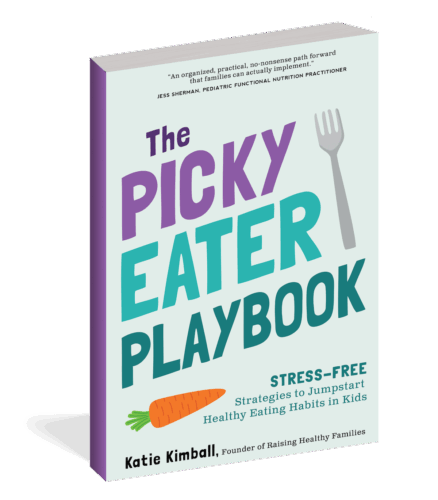
My first traditionally published book releases November 10, 2026! The Picky Eater Playbook: Stress-Free Strategies to Jump Start Healthy Eating Habits in Kids is packed with real-life stories, flexible strategies, and step-by-step routines to turn dinner from a power struggle into something the whole family can enjoy.
If you’ve done the No More Picky Eating Challenge and want to have all my strategies at your fingertips, it’s the perfect resource! Or if you’re just beginning to tackle dinnertime struggles at your house, it will walk you through my whole system for eliminating picky eating.
Pre-order now and get some amazing bonuses!
Learn More about The Picky Eater PlaybookAction Steps from This Episode
- Ask your teen: “What part of adulthood are you actually looking forward to?”
- Choose ONE life skill to pass on this month (laundry, lunch packing, cooking, organizing, etc.).
- Include young kids in real household tasks, even if they only do one small step.
When children know how much work goes into caring for a home, our help feels like a gift instead of an expectation. – Katie Kimball, Raising Healthy Families
- Stop aiming for perfection. Participation and ownership matter more than flawless results.
- Talk out loud about your adult thinking: budgeting, scheduling, meal planning, problem-solving, and decision-making.
- Create simple family systems so responsibilities become routines instead of constant reminders.
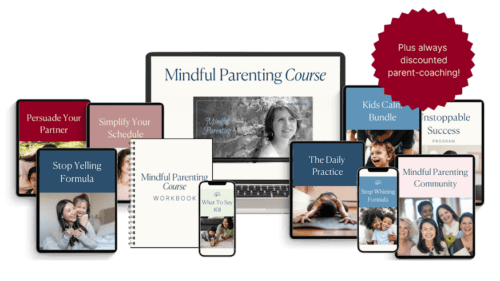
Learn more from Hunter Clarke-Fields with the Mindful Parenting Course!
Kathryn says, “Since joining Mindful Parenting, we’ve built a better connection and our days are filled with mostly teamwork, open communication, and naming our feelings and the reactivity is decreasing on both ends. Now, the evening routine is mostly relaxed and enjoyable!”
Resources We Mention for Chores for Teens
- Building Strong Families, Connected Kids with Father Leo of Plating Grace
- The Kimball Family Chores System That Works!
- Can Mindfulness Make You a Better Parent? (+ Bonus Guided Meditations for Kids!)
- Get some life skills, right now! Easy workshops for kids and teens to take ownership.

Leave a Comment