
Will you be my friend?
It’s easy for the 4-year-old in the sandbox to approach another kid and make a friend, but as adults, making new friends AND finding time to keep up with our old friends is a challenge!
It was my delight to spend quality time connecting with Dr. Marisa G. Franco, a friendship expert who filled my tank and my science geek brain with tons of common sense research on the value of friendship, how we can and should make friends, and what people really think of us.
In this engaging interview, you’ll hear:
- Mind-boggling stats on loneliness (+ the 3 kinds of loneliness, only one of which a spouse can dispel)
- Why it’s time to “bring dignity back to friendship”
- What research says about rejection and what people are really looking for in a good friend
- The first step kids and adults need to take to make new friends (from a psychologist!)
- Super practical ways to make “room” in your busy schedule for both new and loyal friends
- How we can support our kids in making and keep friends
- And technology, oh, technology…Dr. Franco calls it a “net negative” effect on connection, but we DO get to discuss how to use tech positively…
Dr. Franco gives you the perfect 2-minute homework assignment at the end of the interview, and I know you’ll find your life much improved by the new research-backed mindset you can have about time with friends!
Can’t see the video? Watch The Science of Friendship here on YouTube!
No time for the video? Here are the notes!
The Science of Friendship
- 0:20: Today we’re talking to Dr. Marisa Franco about friendship for ourselves and our kids.
- 2:30: Dr. Franco shares her story with us and how she started focusing her study on friendship. She believed the lie that romantic love is the only love that matters, but realized she had love that was platonic, but worthwhile with friends. Stress relief tips for moms.
- 4:22: Friendship deserves to be talked about more in the health world. Loneliness has been shown to be as toxic to our health as smoking 15 cigarettes a day!
- 7:30: What can we do to grow intentional friendships? It won’t just happen, you need to put in some effort and initiate relationships. Who do you already know that you’d like to be more intentional with?
Research tells us we’re less likely to be rejected than we think! -Dr. Marisa Franco
- 9:33: We get stuck thinking people are thinking negatively about us, but other people are lonely too! There’s nothing to lose by asking someone out for coffee or for a walk. Assume people like you, you’ll act more open and sociable. More tips for building connection for middle schoolers.
- 12:28: Where do we make friends? People are working from home or staying at home with their kids, where do we start a community? Dr. Franco has some great tips.
- 14:41: There are levels of loneliness and we need different types of friends to fulfill them all. The levels are: 1) the desire for a close relationship like a spouse or best friend, 2) the desire for a circle of friends, and 3) the desire to be part of a group working towards a common goal.
- 16:50: It’s important to have friends who are local to you. Even if these aren’t your closest friends, you need people you can hang out with in person and form face-to-face connections.
- 18:02: As difficult as it is for adults to make friends, think about the kids who have just been through the last two years of schools shutting down and virtual school. Tell your kids that if they want to feel like they belong, they should focus on helping others feel included.
Teaching your kids to make people feel like they matter is how you teach them to make friends. -Dr. Marisa Franco
Kids don’t need plastic knives. They need real skills.
Teach safe technique, focus, and confidence in the all-time fav lesson from our kids cooking class! (ages 2-12)
- 20:27: How can parents help their kids make friends and nurture friendships amidst busy schedules? Environments where they can have regular unplanned interactions and vulnerability nurture friendships.
People report the most desirable trait in a friend is how much they make them feel like they matter. -Dr. Marisa Franco
- 22:35: When you join a group, don’t just expect people to come to you. Initiate conversation and show up mentally.
- 23:15: Dr. Franco gives some great encouragement to introverts and more reserved people.
- 25:10: I often talk about making friends with food with picky eaters, but I also view food as a powerful tool for building community. Sharing food allows generosity and provides a shared experience.
- 27:05: Technology can be complicated when it comes to connection. Some kids use technology as a substitute for in-person connection and they’re getting more and more lonely. On the other hand, if you facilitate community with technology then it can be helpful. Posture and technology, screen time guidelines for teens, and better screen time.
- 28:49: Dr. Franco lists several of the negative impacts technology has on our friendships and connection. Listen in here and share with your teens who are on social media!
If I were to make an argument about technology and its effect on connection, it would be a net negative. -Dr. Marisa Franco
- 31:30: Technology is not all bad, but we need to teach our kids how to use it well!
- 33:00: We leave you with a quick win you can accomplish today!
Resources We Mention on Friendship
- Stress relief tips for moms
- More tips for building connection for middle schoolers
- Posture and technology
- Screen time guidelines for teens
- Better screen time
- Sign up for Dr. Franco’s free quiz to assess your friendship strengths
- Follow her on Instagram
- Dr. Franco is available for speaking engagements
- Dr. Franco’s book Platonic
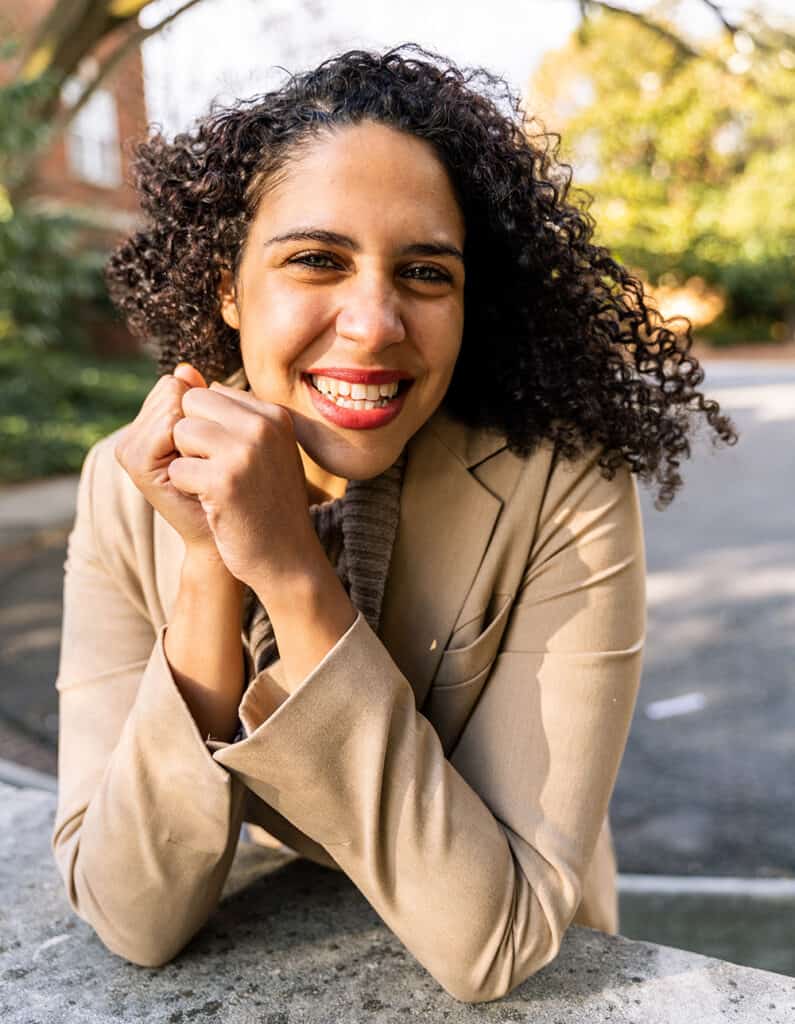 An enlightening psychologist and national speaker, Dr. Marisa G Franco is known for digesting and communicating science in ways that resonate deeply enough with people to change their lives. She works as a professor at The University of Maryland and wrote the NY Times bestselling book Platonic: How the Science of Attachment Can Help You Make—and Keep—Friends.
Leave a Comment