
When we’re working on picky eating problems, many experts will say to hide nutrients in their food.
I never advocate for straight-up “hiding” i.e. lying, BUT I definitely see the need to incorporate more protein, healthy fats, and fiber in our kids’ diets, whether they’re picky eaters or not!
Chia and flax seeds are amazing powerhouses of omega-3 fats, high in protein, and even contain fiber. Most seeds are nutritional treasures like this, but it’s not always easy to figure out how to help kids fall in love with stuff that might add texture (egads!) to their food.
Seeds to Pump Up Nutrition (for Picky Eaters and Other Humans)
- chia
- flax
- hemp
- pumpkin
- Well-sourced collagen powder is another great way to nearly tastelessly get protein into your kids! It mixes into a LOT of foods…think smoothies, oatmeal, baked goods, soups, casseroles, meatloaf, and more.
How many ways are there to incorporate so many seeds throughout the day, especially when it comes to picky eaters? I have several ideas for you to add this boost of fiber, fat, and protein to snacks and meals.
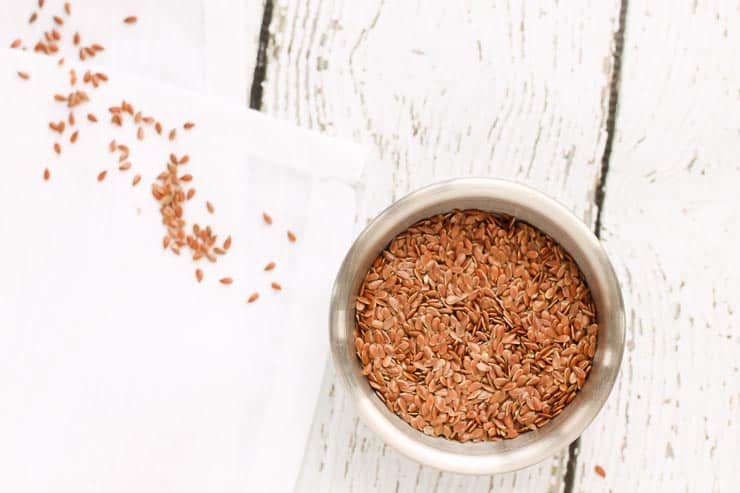
Here is what whole flaxseed looks like (above).
They’re big! I mean, they’re little … but they’re big if we are talking about picky eaters.
I could just recommend, “Sprinkle flax seeds onto their cereal or yogurt,” but our preferenced eaters or selective kids are going to say, “NO! You just added texture to something that did not formerly have texture, and I’m not touching it!”
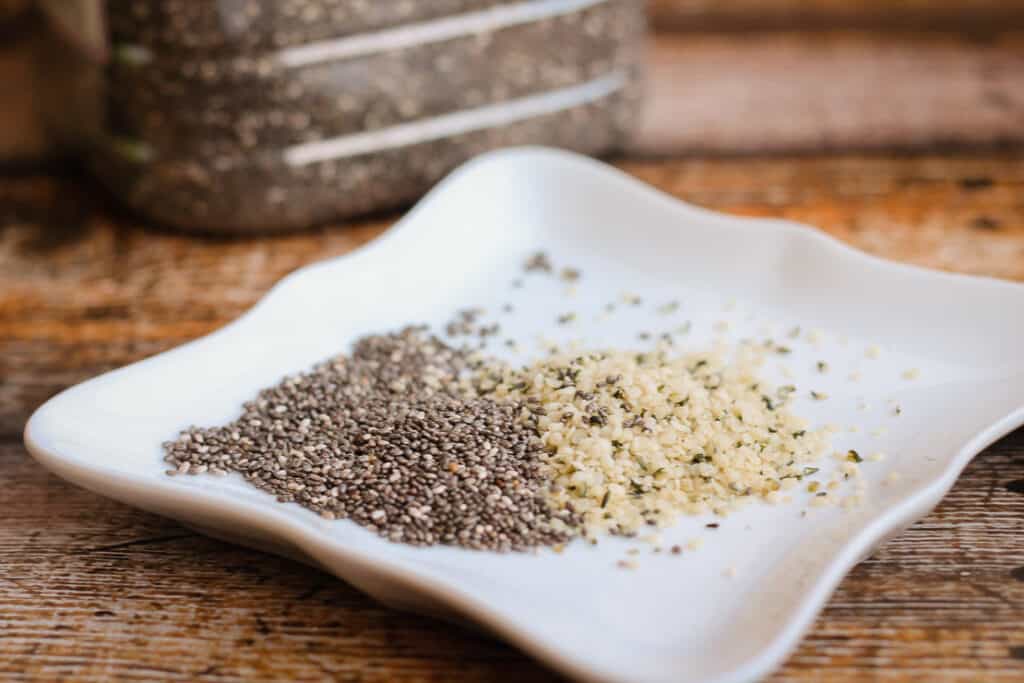
Flax seeds are probably between 2 and 3 millimeters long. Chia seeds are much smaller, probably less than a millimeter, and they’re round. Chia seeds are going to disappear better as far as mouth feel.
With chia seeds, they might be upset about seeing little black balls in their food. We don’t want that to happen! You can find white chia seeds as well for mixing into lighter foods if you’re willing to source two types of chia seeds.
Still not stealth enough? Honestly, I don’t really like the feel of seeds in my mouth either. I’m going to advocate for grinding your seeds for two reasons:
- Grinding disguises the flavor, texture, and visual aspect more.
- If you’re eating these tiny seeds whole, you probably aren’t grinding them well with your molars. You might be swallowing them whole, which means a lot of the nutrients aren’t available to your body. Tip: All those (expensive) granolas that add whole seeds so you can see them might actually be depriving you of the nutrition of the seed!
Grinding Chia and Flax Seeds for Picky Eaters
Grinding chia and flax (hemp and pumpkin too) is going to open up the great nutrition to your body, but it’s important to know a few things before you start busting open these little seeds.
Although you can buy ground flaxseed, I don’t recommend it unless you have no other choice.
Here’s why: Once the seeds are ground it creates the opportunity for oxidation which makes the fats, especially more sensitive omega-3 fats, go rancid more quickly. If you are stuck buying ground flax or immediately after you grind your own, pop any leftovers into the freezer! (I keep crispy soaked walnuts in the freezer, too, because they are so high in omega-3s.)
Whole flax and chia seeds, on the other hand, can be stored in the cupboard without a problem.
How to Grind Flax and Chia Seeds
I have a dedicated coffee grinder that I only use for grinding seeds. That means I don’t have to wash it super well after I use it, I just wipe it out!
I found mine at a garage sale for just $1! I hope it never breaks because I don’t go to garage sales anymore and I don’t want to pay full price for one, although it’s really not an appliance that will break the bank.
Grind your seeds in batches, because you don’t want to get the grinder out all the time, and then store your ground seeds in the freezer. I generally grind about what I’ll need or up to 1/4 cup extra.
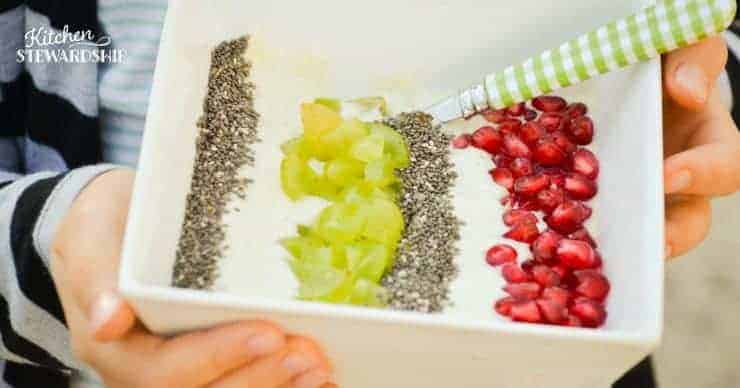
How to Use Ground Chia and Flax Seeds
For kids who are open to new textures and visuals in their food, you can stir ground seeds into:
- yogurt
- oatmeal
- applesauce
- baked goods (pancakes, muffins, quick breads)
- nut butters
- ice cream
- just about anything! But…you can totally see it most of the time!
If you buy golden flaxseed, the color is similar to oatmeal, and you might be able to disguise it in a bowl of oatmeal. It’s still going to show up in yogurt, sadly.
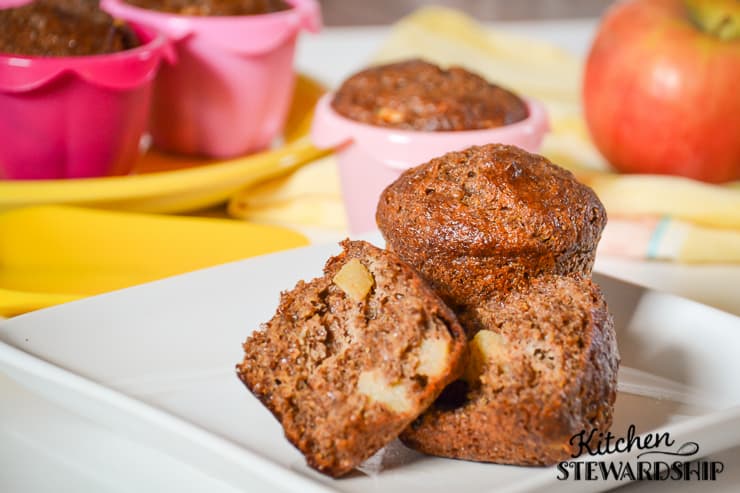
RELATED: These grain-free apple-flax muffins pack a punch of flax seeds!
Instead, for the most preferenced eaters, try the tips below.
Make Chia Pudding
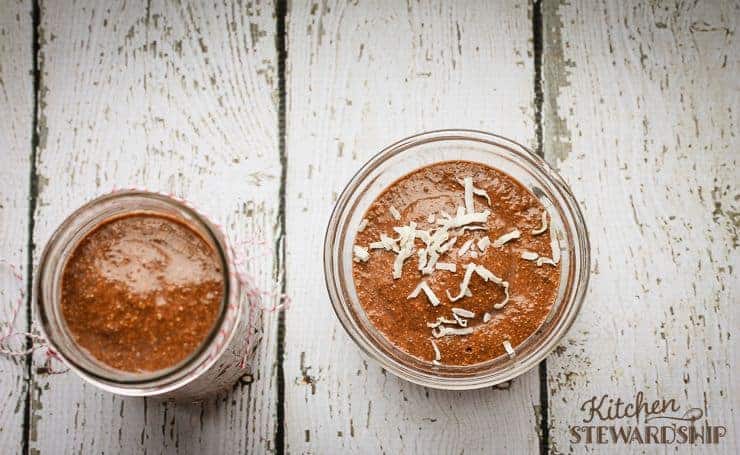
Some kids love it; some kids think it’s funky.
There are many ways to make chia pudding. You can use whole seeds, but I recommend grinding them for a better feel in the mouth.
The recipe is very allergy-friendly with just about any dairy or non-dairy milk. I recommend trying the cocoa powder version first or blending in fruit rather than just vanilla chia pudding because those additions just taste better.
If it’s something your kids love, try to do it once or twice a week.
Smoothies
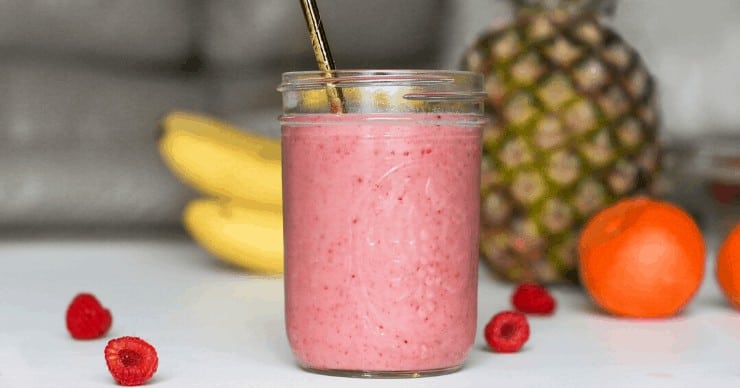
You can incorporate all these seeds very easily in smoothies once ground; or, if you have a high-powered blender like a VitaMix or Blendtec, you can put the seeds in whole and the blender will do the work for you.
If you have anything less than a high-powered blender, grind them first.
Personally, I think ground flax, chia, and hemp seeds completely disappear in smoothies. My very most selective eater loves making herself smoothies, and she is willing to put chia seeds in sometimes, but she says she can feel the texture. I think she can taste the flax or hemp. It’s something you need to experiment with to figure out your kids’ tolerance.
Applesauce
If you can get a whole teaspoon into a cup of applesauce that would be ideal because applesauce has no fat, no fiber, and no protein. It’s not going to fill anyone up for any amount of time.
Applesauce with a teaspoon of ground flax or ground chia has a chance of being satiating, but as I mentioned above, the visuals might be a deal-breaker.
Banana “Ice Cream”
If you ever make banana “ice cream,” where you blend frozen bananas, you can add some ground seeds, especially if you also use cocoa powder to hide the color.
It’s a great way to have something sweet with protein, fiber, and whole foods.
Word to the Wise—This Isn’t About Hiding
As you experiment with ground seeds to pump up the nutrition in things you’re already eating, like smoothies, oatmeal, and applesauce, I recommend being upfront about it.
Your kids are going to catch you if you try to sneak them in, so don’t!
Ask them if they are willing to add an eighth teaspoon because it is supercharging their food. Assure them it will give them superpowers – it’s really good stuff! This isn’t a lie because a nourished body is a super body!
You can also mention it will help their bellies stay full longer so they don’t get cranky before dinner. You never know what might work!
Kids don’t need plastic knives. They need real skills.
Teach safe technique, focus, and confidence in the all-time fav lesson from our kids cooking class! (ages 2-12)
Using Seeds as Replacements in Baking
Both chia and flax seeds can be used as an egg replacement in baking, which both saves money and is great for preparedness.
Egg yolk was my son Gabe’s first food at six months. We quickly discovered that he was violently allergic to eggs! That lasted for about three years, but thankfully he grew out of it.
I got very good at baking with no eggs.
Flax or Chia Seed “Eggs”
This egg replacement is nice because it’s made with whole foods instead of funny powders and is easy to use:
One Tablespoon of ground flax or ground chia + Two Tablespoons of warm water = one egg
Eggs are good protein and fat, really important, but variety is important for our bodies, too, as it is for our tongues and our minds.
The egg replacement should work on any recipe where you have a batter with eggs, flour, and fat – like cornbread, quick bread, muffins, and most pancakes. Don’t try to make grain-free pancakes with this replacement, though, or anything made with coconut flour.
Extra benefit: with food shortages and costs rising, eggs can be expensive, especially if you’re trying to eat clean, pastured eggs. Flax seed is going to be far less expensive, and it’s shelf-stable. So if I don’t have any eggs on hand, I can make homemade muffins using this trick, and it’s more budget-friendly.
Play around with some of your favorite recipes and learn whether the flax eggs work for you. If the recipe calls for two or more eggs and you’re nervous it won’t turn out, start with just replacing one with a flax or chia egg and move up.
Flax as Fat
In recipes like muffins and quick bread, you can also replace some of the fat with flaxseed. You want to use three times the amount of ground flaxseed for the amount of fat called for.
For example, if a recipe calls for one-fourth cup melted coconut oil, then you would use three-quarters cup ground flax to replace the whole thing. If you’re nervous your recipe won’t work out, just replace half of the fat. (Do the math: In the example above, that would be 2 Tbs. coconut oil and 6 Tbs. flax.)
Why Bother Adding Flax, Chia, and Other Seeds?
I recently did an interview with Edwena Kennedy that won’t post until this fall. (You saw her recently talking about feeding babies and toddlers on the Healthy Parenting Connector.)
As a dietitian, she was saying incorporating chia, flax, pumpkin, and hemp seeds – (all the seeds!) – is a really great way to include fiber, fat, and protein in your diet. If we want a satiating snack or meal, we want all of those.
Edwena calls this the FFP method – fiber, fat, and protein.
We know our kids need all 3 FFPs in each snack and meal to be most satiated, have best blood sugar regulation, and avoid becoming “hangry” before the next eating opportunity.
But in a world of white flour crackers and even fruit as a snack, it can be tough to FFP every time we eat. Adding seeds is a great way to take a simple snack and supercharge it for better nutrition!
Plus our American diet is lacking in omega-3s, and until your kids catch up to Mary’s and clamor for sardines, we need to collect as many non-fishy omega-3 strategies as we can get. 😉
How about you? Are you going to try using more flax and chia in your family’s diet and routine?


Leave a Comment