Were you scared away from taking hormone replacement therapy?
I was. 100%!
But this conversation with Dr. Stephanie Gray may have changed my mind.
I’m 46, firmly in the “what is happening to my body and what is ABOUT to happen?” stage of life, and I had definitely absorbed the message that hormone replacement therapy was a Big Scary Decision.
I couldn’t have explained the research. I couldn’t have named the famous study that scared so many women away from hormones. I just had this sense of, “Ooh, probably not for me. I’ll just eat my way to good health and keep my mobility, thankyouverymuch.”
You know what I mean?
That’s exactly why this conversation fascinated me.
Dr. Stephanie Gray has been working with hormones for well over a decade, and she walked me through what actually happened with the research that shaped our cultural fear of hormone therapy, what she believes we got wrong, and some REALLY important distinctions that tend to get flattened into one little word: hormones.
This one gets dense in the best possible way. We’re talking perimenopause, estrogen, progesterone, testosterone, delivery methods, heart health, brain health, metabolic health, and why the details matter enormously.
Listen in to hear:
- Why the 2002 Women’s Health Initiative study scared a generation of women away from hormone therapy, and the three major problems Dr. Gray sees with how that research was conducted
- The surprisingly simple way to tell whether the hormone you’ve been prescribed is actually the same hormone your body makes
- Why Dr. Gray says “progesterone” and “progestin” are NOT interchangeable words, even though they’re often treated that way
- What oral estrogen has to do with the liver and clotting risk, and why the delivery method of a hormone matters
- Patches, creams, pellets, lozenges, injections…oh my! How the options differ and why this definitely isn’t a one-size-fits-all conversation
- Why timing matters when women consider hormone therapy, especially around perimenopause and menopause
- Dr. Gray’s “healthy house” analogy for understanding estrogen, progesterone, testosterone, and thyroid hormones without needing a medical degree
- The connection she draws between declining hormones and four major health concerns as we age: cardiovascular disease, cancer, neurodegenerative disease, and metabolic dysfunction
If your entire understanding of hormone replacement therapy is basically, “Wasn’t there a study saying that was dangerous?” you are absolutely not alone.
I was right there with you.
This conversation gave me a LOT more questions to ask, which is exactly where I want to be when I’m making decisions about my health.

Love the Handbook?
Find all the episodes of the Healthy Parenting Handbook here, or listen on your favorite podcast player:





Don’t forget to leave us a review on Apple Podcasts too! Thank you!
Can't see the video? Watch on YouTube →
YouTube Shorts for This Episode
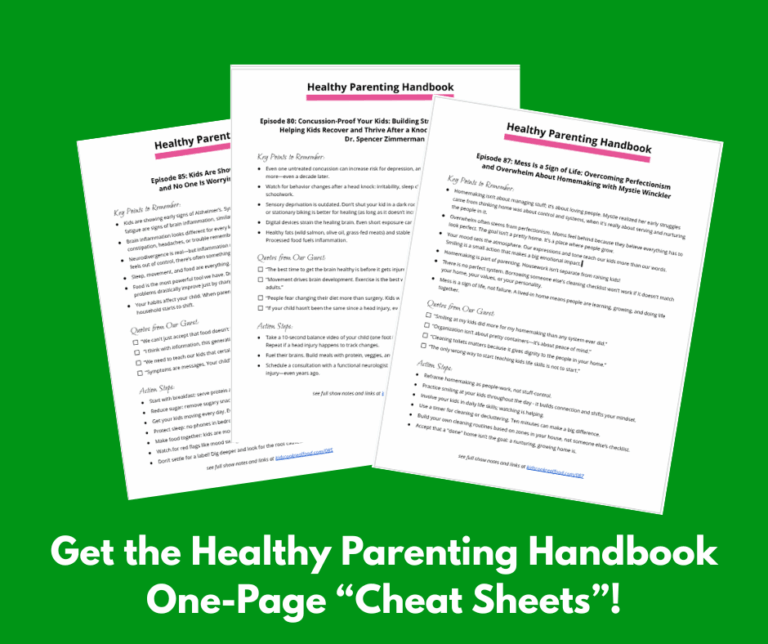
Turn expert advice into a handbook you can actually use.
I’ve interviewed hundreds of incredible experts on the Healthy Parenting Handbook podcast! Out of time to listen? You can skim on your phone!
These one-page summaries give you the highlights of every episode fast, so you can find what you need when you need it (and nothing to download).
100% privacy – You’ll also get Katie’s email newsletter with more practical tools for raising capable, confident kids. Change your preferences easily any time.
Key Takeaways about HRT and Perimenopause Hormones
- Hormones affect far more than periods and hot flashes. (Learn more from this episode about perimenopause with Jenn Pike.) Estrogen, progesterone, testosterone, and thyroid hormones can influence sleep, mood, energy, muscle, metabolism, heart health, and brain health as women age.
- The 2002 Women’s Health Initiative created widespread fear about hormone therapy. Dr. Gray says the study used synthetic hormones, oral estrogen, and women averaging age 63—important differences from the approach she recommends today.
- Bioidentical hormones have the same structure as hormones the body naturally produces. Dr. Gray encourages women to read medication labels and know exactly what they’re being prescribed.
Muscle mass is the organ of longevity. – Dr. Stephanie Gray
- How hormones are delivered matters. Dr. Gray does not prescribe oral estrogen because of its effects on the liver and clotting risk, but she does use oral progesterone. Other options include patches, creams, pellets, and sublingual forms.
- Hormone Optimization Therapy (HOT) goes beyond simply replacing what’s missing. It combines symptoms, comprehensive testing, individual goals, personalized dosing, and follow-up rather than a “set it and forget it” prescription.
- Hormones aren’t a replacement for healthy habits. Strength training, adequate protein, good sleep, nutrition, and stress management remain foundational—especially for maintaining muscle and metabolic health as we age.
The Picky Eater Playbook: Get Pre-Order Bonuses!
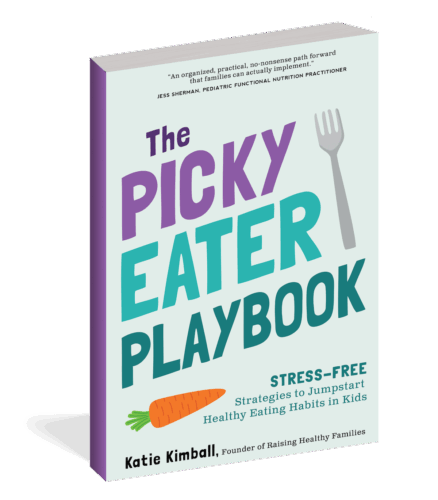
My first traditionally published book releases November 10, 2026! The Picky Eater Playbook: Stress-Free Strategies to Jump Start Healthy Eating Habits in Kids is packed with real-life stories, flexible strategies, and step-by-step routines to turn dinner from a power struggle into something the whole family can enjoy.
If you’ve done the No More Picky Eating Challenge and want to have all my strategies at your fingertips, it’s the perfect resource! Or if you’re just beginning to tackle dinnertime struggles at your house, it will walk you through my whole system for eliminating picky eating.
Pre-order now and get some amazing bonuses!
Learn More about The Picky Eater PlaybookAction Steps from This Episode
- Pay attention to changes in sleep, periods, hot flashes, anxiety, vaginal dryness, energy, libido, strength, and muscle mass, and discuss patterns with your healthcare provider.
- If you’re considering hormone therapy, ask exactly which hormone you’re being prescribed and whether it is bioidentical or synthetic.
- Ask about delivery method, too. If estrogen is recommended, discuss oral versus transdermal or other options and what makes sense for your health history.
Read the labels on your medications just like you read the labels on your food. – Dr. Stephanie Gray
- Look for a provider with additional education and experience in hormones, menopause, functional medicine, or integrative care if your current provider isn’t comfortable having a detailed conversation.
- Build and protect muscle now with regular resistance training and adequate protein. Muscle supports strength, mobility, and healthier glucose metabolism later in life. Learn more from Serene and Pearl of Trim Healthy Wisdom!
- Think beyond symptom relief. Use your 40s and 50s to strengthen your nutrition, movement, sleep, metabolic health, and healthcare support so you can stay active and independent for decades to come.
Your Hormone Blueprint
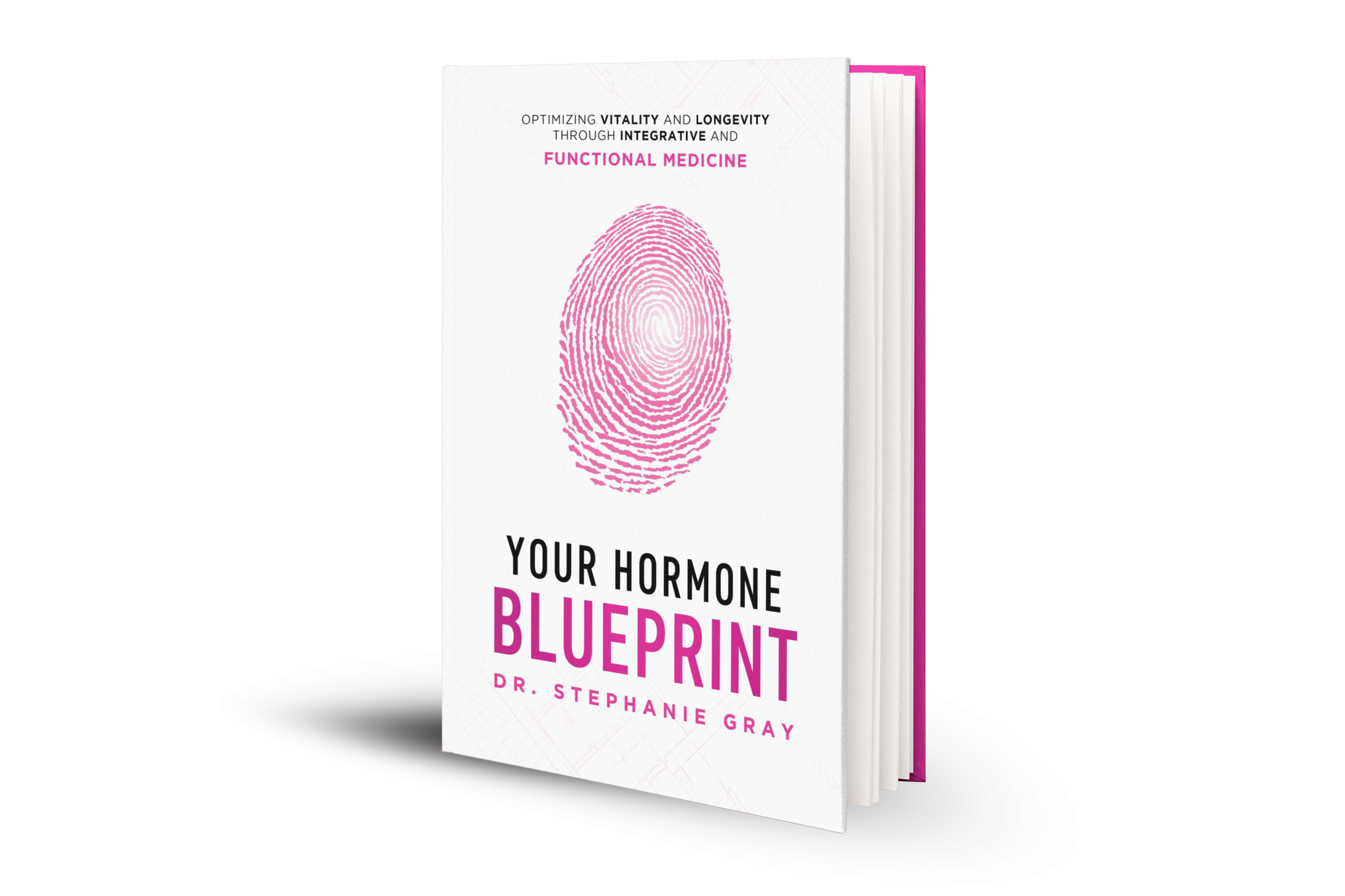
Your Hormone Blueprint by Dr. Stephanie Gray covers hormone optimization through a functional medicine lens — the four major diseases of aging, what the research actually shows on breast cancer, and a full chapter on the inactive ingredients in hormone prescriptions that I have not seen written anywhere else.
Or find the book on Bookshop.org or at Barnes and Noble
Resources We Mention for HRT and Perimenopause Hormones
- Grab one of Dr. Stephanie’s books: Your Longevity Blueprint (Amazon/Bookshop.org); Your Fertility Blueprint (Amazon/Bookshop.org); Your Hormone Blueprint (Amazon/Bookshop.org).
- Get 10% off supplements at Dr. Stephanie’s site with the code KIDS.
- Perimenopause could be the best years of your life! with Jenn Pike
- More about menopause and hormones with Cynthia Thurlow here and here
- Women build muscle differently – especially over age 30
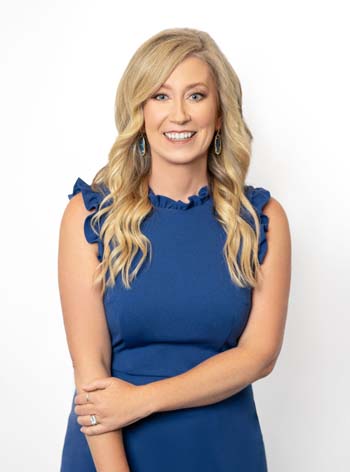
Stephanie Gray, DNP, MS, ARNP, AGNP-C, ABAAHP, FAARFM, is a functional medicine provider helping men and women build sustainable, optimal health and longevity. A nurse practitioner since 2009, Dr. Gray completed her doctorate focusing on estrogen metabolism from the University of Iowa in 2011 and holds a Master’s in Metabolic Nutritional Medicine from the University of South Florida’s Medical School.
Dr. Gray is one of the Midwest’s most credentialed female healthcare providers. She completed an Advanced Fellowship in Anti-Aging Regenerative and Functional Medicine in 2013 and became Iowa’s first BioTe certified provider—now the state’s only platinum provider with over 10,000 pellet placements. She is also certified as a SIBO doctor-approved practitioner, mold-literate provider, and ReCODE 2.0 practitioner for cognitive decline prevention.
An Amazon best-selling author, Dr. Gray wrote Your Longevity Blueprint, Your Fertility Blueprint, and Your Hormone Blueprint, and hosts the Your Longevity Blueprint podcast. She co-founded Your Longevity Blueprint Nutraceuticals with her husband, Eric.
They enjoy spending time outside with their sons and mini goldendoodle. They founded the Integrative Health and Hormone Clinic in Hiawatha, Iowa.

Leave a Comment