
Ever felt like your kids or teens want to do the opposite of what you recommend?
Dr. Mandy Patterson and I are both moms of teens, and we talk today about the perils of parenting and how we work around the resistance. She has some great tips for finding a way “in” to what your kids care about when it comes to health and behavior.
Since this is a parenting podcast, I’m guessing most of you have at least somewhat figured out “fertility” as it pertains to having babies – but that’s not all it’s about! Your fertility health really is a marker of your overall health and wellness, and if you can keep your hormones balanced, you’ll feel much better overall.
We get dirty on my late-night eating habit (sigh) and some best practices for women, especially in the morning.
Then we dive into how and WHY to help our tween and teen girls care for their own fertility right from the start, and the epidemic of PCOS.
Find all the episodes of the Healthy Parenting Handbook here, or wherever you get your podcasts:





Don’t forget to leave us a review on Apple Podcasts too! Thank you!
Can’t see the video? Watch Hormone Health for Teens here on YouTube!
No time for the video? Here are the notes!
Healthy Hormones for Teens
- 2:18: Today I’m talking with Dr. Mandy Patterson about fertility and hormone balancing.
Fertility is not just about having babies. It’s about keeping your hormones and your general health in balance so that you feel good for your life. -Katie Kimball
- 3:57: Dr. Mandy shares her background with us. She had a big scare when her first child was born three months early and the doctors said both she and her son may not make it. Previously she thought she was a healthy person, but that opened her eyes to what true health is. She and her son both survived and Dr. Mandy realized she needed to learn more about living a healthy lifestyle.
- 7:02: Young girls are not taught about their physiology. We aren’t taught what a normal cycle looks like, or what is a red flag. You just take some pain meds and get through it.
- 8:39: Infertility rates are insanely high. Reportedly, one in six couples is struggling with infertility, but depending on what experts you talk to it may be even higher.
- 10:40: Your cycle and any challenges you experience are a window into your fertility.
- 11:46: There are a number of factors that contribute to the rise in infertility rates, such as toxic chemicals like BPA and glyphosate, the “standard American diet,” and high stress.
- 13:18: The microbiome is the seat of our immune system and so many hormones are generated there.
Improving Hormone Health
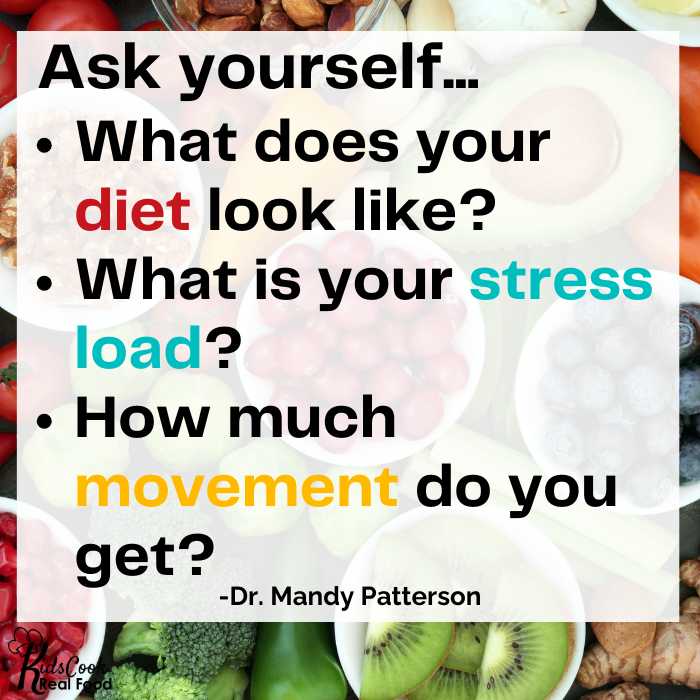
- 14:28: To improve your hormone health, do things to support overall health. Everyone is different, and it’s easy to get overwhelmed by all the health advice online. Start simple: eat real food, organic when you can. Make vegetables and low-glycemic fruits like berries the foundation to your diet, and make sure you include plenty of healthy fats. Here are the lists of the Dirty Dozen and the Clean 15.

- 18:43: What does it look like to have blood sugar imbalances? Eating in the morning (especially before consuming caffeine) is super important. Dr. Mandy recommends having a 12-hour fast overnight, so no late-night snacking! Having caffeine on an empty stomach in the morning spikes your cortisol, and leads to a blood sugar crash in the afternoon.
- 21:08: Sleep is very important for hormone health and metabolic health. Our digestive systems need time to rest overnight. Eating before bed can disrupt that ability to rest.
Kids don’t need plastic knives. They need real skills.
Teach safe technique, focus, and confidence in the all-time fav lesson from our kids cooking class! (ages 2-12)
Hormone Imbalances
- 23:16: Hormone imbalances can lead to weight gain, but you can also be thin and have hormone irregularities.
- 25:27: Many women struggle with PCOS (polycystic ovarian syndrome). Some of the first PCOS symptoms you might notice are acne and oily skin, hair loss, and painful and/or delayed periods. PCOS also leads to infertility, autoimmunity, and thyroid issues.
- 28:23: We discuss what types of lab work you can get done to check for hormone imbalances.
- 29:19: How does knowing this information impact our parenting choices? When we live in a state of high stress it depletes some nutrients more quickly. You may need to add some supplements to your kids’ diets even if you’re eating healthily. Find the best forms of magnesium for kids here.
Teaching Teens About Hormone Health
- 31:59: It’s easier to prevent infertility than it is to fix it. Young girls need to be taught about their cycles and get to the root of any issues early rather than letting them build up until they want to get pregnant.
- 33:22: One challenge the younger generation is dealing with is screens, especially cell phones. Being on screens late at night leads to cortisol and melatonin imbalances. The light can compact our pineal glands and our body’s ability to rest, digest, and detox. Helping teens thrive in spite of screens.
“I just want my kids to eat what I make!”
This free 5-day challenge was made for you.
Spend just 30 minutes a day learning practical strategies that reduce mealtime battles and help kids build confidence with food.
- 34:59: Teens don’t always want what’s best for them, and they don’t always want to do things we think are best for them. They need to buy into making health changes themselves. Encourage them to start with just one small change, and encourage them in the healthy choices you see them making.
- 37:55: Dr. Mandy uses the phrase “body literacy” to learn about our bodies. Plant the seeds and teach your kids about how their hormones affect their health and look for those “ins” where you can offer more specific guidance and advice. If you have a teen struggling with acne or their weight those can be indicators of hormonal issues.
- 41:14: Plastic water bottles are a source of chemicals that are especially harmful to women prone to PCOS. Here is the LARQ water bottle mentioned, my review of Berkey filters, and a water bottle filter I’ve tried GRAYL.
- 42:17: Dr. Mandy shares a practical tip you can act on today. Schedule some time to take care of you. Bonus points if that includes movement.
Resources We Mention for Hormone Health for Teens
- Here are the lists of the Dirty Dozen and the Clean 15.
- Find the best forms of magnesium for kids here
- Helping teens thrive in spite of screens
- Why you might not want to put your teens on hormonal birth control
- LARQ water bottle filter
- My review of Berkey filters
- GRAYL water bottle filter
- Find Dr. Mandy online
- Follow her on social media: Instagram, Facebook
- Gutsy Fertility Podcast
 Mandy Patterson, ND is a Functional Naturopath and Fertility Practitioner, Owner of a Boutique Fertility Focused Wellness Practice, speaker, and an advocate for lasting vibrant, optimal wellness.
SHE HELPS WOMEN CONCEIVE NATURALLY & feel EMPOWERED ON their FERTILITY JOURNEY.
Her mission is to empower women in their fertility journey and give them the exact tools and guidance they need to achieve the health and family of their dreams. Mandy believes that transformation is possible for every woman. She strives to help women all over the world overcome their fertility struggles, boost their overall wellness and health, and invite joy and happiness into their lives.

Leave a Comment