
If you’ve ever wondered whether your child’s struggle with reading, attention, or screen time is just a phase or something deeper… this episode is for you. I sat down with Dr. Bryce Appelbaum, a passionate and insightful functional eye doctor, and WOW! My eyes (pun totally intended) were opened.
We tend to think of “eyesight” as just needing glasses or not. But what if I told you that vision is actually a brain function, and if our kids are struggling visually, it could be impacting their learning, attention, and even behavior?
In our chat, Dr. B doesn’t just talk science — he gives us practical tips that any parent can use to support healthy vision for kids, especially in our screen-soaked world. He unpacks the sneaky signs of vision issues, why screen time isn’t just an eye problem, and what we can actually do about it.
But here’s what might surprise you…
- Many children are misdiagnosed with attention issues when the root problem is vision-related.
- Eyesight and vision aren’t the same thing (and that distinction is life-changing).
- The rise in screen time is truly affecting how our kids’ eyes and brains develop.
- There’s a simple at-home test you can do to check for red flags in your child’s vision.
- Vision therapy is not just for kids with glasses, it’s for brains that need support.
- Outdoor time isn’t just “nice,” it’s necessary for strong visual development.
- Functional eye doctors approach vision differently, and it’s exactly what so many kids need.
- And yes, the 20-20-20 rule? It’s real, simple, and super helpful!
We also talk blue light, digital performance glasses, and how to balance a tech-filled life without turning into a screen-time tyrant. 😉
So if you’re ready to understand what’s really going on behind your child’s eyes and empower yourself with tools to help them thrive, don’t miss this one.
Check out #LifeSkillsNow totally free right here.
Find all the episodes of the Healthy Parenting Handbook here, or wherever you get your podcasts:




Don’t forget to leave us a review on Apple Podcasts too! Thank you!
Can’t see the video? Watch Healthy Vision for Kids here on YouTube!
No time for the video? Here are the notes!
Healthy Vision for Kids
- 0:22: Today, I’m going to share an eye-opening (pun intended) conversation with Dr. Bryce Appelbaum about healthy vision for kids.
- 4:10: Dr. B shares his story with us. He’s a functional eye doctor who specializes in optimizing the eye/brain connection.
We’re told at an early age to keep our eye on the ball. We can actually teach you how to keep your eye on the ball and then how your brain can use that information to showcase your strengths. -Dr. Bryce Appelbaum
- 7:27: What’s the difference between eyesight and vision? We generally use the words interchangeably. Eyesight is a symptom. Poor eyesight is treated with glasses. Vision is based in the brain, and vision problems are brain problems. Vision is how our eyes move together, track, focus, and process information.
- 9:49: Near-sightedness is increasing at an alarming rate. In 1969, it was 25% of Americans, now it’s 43-44%. This is thought to be caused by not enough time outdoors, too much screen time, and too much near work in the dark. Near work in the dark is things like reading or drawing pictures really close to be able to see in the dark.
How do Screens Affect Vision?
- 11:43: Let’s talk about screens because they’re so pervasive. The average American spends over 7 hours a day on screens. The average 8-10-year-old spends 6 hours a day! For so many of us, this is causing symptoms like headaches, eye strain, blurry vision, trouble focusing, dry eyes, light sensitivity, and disrupted sleep.
- 13:46: The world is different now than when we were kids. It used to be that kids had to be dragged inside for meals or bedtime, and now we’re dragging kids outside and away from their screens and social media.
I’m not anti-technology, I’m “we need to be able to have the right foundation in place to thrive in this world.” -Dr. Bryce Appelbaum
- 16:50: It doesn’t take long for excessive screen use to impact both eyesight and vision.
- 17:35: Dr. B gives a few examples of warning signs that your child has a vision problem. A child not wanting to read on their own, or only reading in a certain setup, is a red flag. Some other reading red flags are skipping words, losing their place, rubbing their eyes while reading, and covering one eye.
Vision Problems or ADHD?
- 19:21: When a child is diagnosed with ADD, ADHD, or dyslexia, vision problems should be ruled out first. Some eye problems can cause the same symptoms, and it’s easy to test vision first. If this sounds like your child, read more here.
You don’t even need to do testing to know if there is a really smart kid who is struggling academically there has to be a reason why. Vision is the low-hanging fruit. -Dr. Bryce Appelbaum
- 22:36: How do you know what type of eye doctor to look for? Many eye doctors are looking to treat symptoms, not look for root causes. You want to look for a doctor who has a background in development and visual function. Dr. B gives you a super simple at-home test to see if your eyes are converging correctly. Here is the directory of eye doctors Dr. B mentioned.
- 25:00: Once you have an evaluation to let you know if there’s a problem, the therapy moving forward will vary greatly depending on who you’re seeing. There’s no real consistency yet on what vision therapy should look like. Generally, you want to look for someone incorporating movement, balance, vestibulim, and cognition all together. Here’s Dr. B’s online assessment.
- 26:12: Vision is developed based on learning from our environment. Under 18 months shouldn’t be looking at screens at all.
Reducing Eye Strain from Screens
- 27:58: In Dr. B’s house, his kids get 15 minutes of screen time, once or twice a day max, and they’re spending that much time outside every day to balance it out. You may have seen people talking about the 20/20/20 rule online. That rule says you shouldn’t go more than 20 minutes on a screen without taking a 20-second break, looking 20 feet away to rest the eyes.
- 28:51: Dr. B describes what his computer screen looks like right now to show how he’s reducing eye strain during our interview.
- 29:33: When you look at a screen, your focusing system is locked in under tension. It gets tired, and things get blurry. When you look away and relax your focus, that gives your eyes a break and maintains your flexibility.
- 31:43: What about blue light coming from screens? Blue light is essential for regulating hormones and our circadian rhythms, and getting some daylight first thing in the morning and the evening is great. Blue light blasting from screens all day and at all hours is a problem. It messes up our sleep/wake system, leading to all kinds of problems like metabolic disorders and even cancer. Here’s my review of the best blue light glasses I’ve found.
Kids don’t need plastic knives. They need real skills.
Teach safe technique, focus, and confidence in the all-time fav lesson from our kids cooking class! (ages 2-12)
- 34:02: My husband just started using readers. Dr. B says this is basically saying, “My knee hurts a bit, I’ll jump in a wheelchair!” Once you start using readers, you stop using your focus system, and then you lose more ability to focus. In our 40s, the focusing muscles become more rigid, but we can maintain the elasticity and the ability to use the focus system.
- 35:25: The digital performance glasses Dr. B is talking about aren’t orange. They are great for using screens during the day. They don’t affect the colors you see, they look like normal glasses. For the evening, though, orange or amber colored lenses will block more blue light and are best for circadian rhythm balancing.
- 38:39: Screens are a lot like sugar with kids. The more you limit it, the more it becomes forbidden fruit. Set an example for them, interact with screens in a way you’d like them to emulate.
- 39:28: There’s a rule called the Harmon rule, which is basically the closest distance we want to hold a screen. Make a fist and put it against your nose. You don’t want to hold a screen any closer than the end of your elbow.
- 40:34: Dr. B has a program called ScreenFit. It’s an online vision training program designed to teach specific eye exercises to better handle screens. It has 30 lessons, each takes about 10 minutes.
- 43:59: We leave you with one practical step to take today.
Resources We Mentioned for Healthy Vision
- Check out #LifeSkillsNow totally free right here.
- Try out ScreenFit for your family (get a discount with code “KCRF”)
- How vision problems can be misdiagnosed as ADHD
- Here is the directory of eye doctors Dr. B mentioned
- Here’s my review of the best blue light glasses I’ve found
- Find Dr. B online
- Follow him on social media: Instagram, Facebook, YouTube, LinkedIn, TikTok
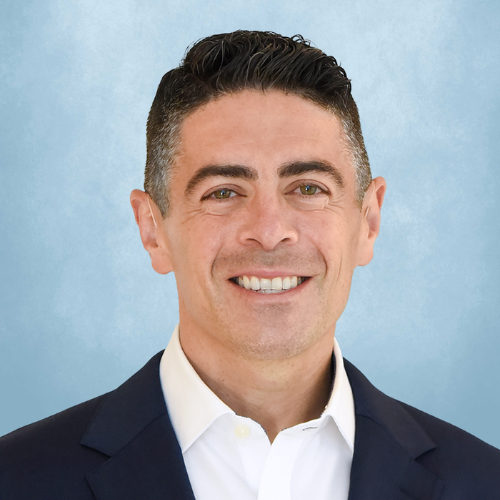 Dr. Appelbaum is on a mission to change the way the world views vision. He believes there is more to vision than just 20/20 eyesight and has developed programs to retrain the brain to revise the eyes. His expertise includes reorganizing the visual brain post-concussion to return to learn and return to life, remediating visual developmental delays interfering with reading and learning, and enhancing visual skills to elevate sports performance.
He is the founder and CEO of My Vision First, a private practice specializing in Vision Therapy and Rehabilitation, and offices in Bethesda and Annapolis, Maryland. He is also the founder and CEO of ScreenFit, the revolutionary online vision training program designed to minimize the damage of digital devices on vision, reduce symptoms, and promote healthy visual habits for extended screen use.

Leave a Comment