My husband and I have been talking a lot lately about the ACES study (Adverse Childhood Experiences Study) and how it seems like everyone in the world has trauma…except us.
But then we wonder…maybe we just don’t know how to classify trauma.
Dr. Meg Haworth is an expert on trauma both personally and professionally, and she says she’s never met someone who scored “zero” on the ACES. 😮
So this is for everyone.
We cover a lot of ground:
- Her crazy story of trauma-inflicted disease (and the transformation and healing she discovered)
- Why certain experiences lodge in our body as ill health (and what kind of people are more predisposed)
- How we can classify trauma to figure out if we need to address it (spoiler: you probably do, although I’m still skeptical! It’s in my nature!)
- Why certain emotions can be toxic to the body (and what to replace them with)
- A simple technique that can become part of your personal and family routine (to take away the power negative emotions can have on your health in just a few minutes)
- One red flag for trauma that I see in myself and a lot of others, especially at this point in history
- As parents what we can watch for in our kids to know if they’re at higher risk (and how to help them build resilience and give them that emotional suit of armor when bad things inevitably happen)
- The role food plays in trauma recovery
- The one key that we need to keep in mind in all our interactions with people (especially the little people who depend on us to raise them well)
I’m off to take the ACES quiz on Dr. Meg’s website – find her here.
Can’t see the video? Watch Processing Childhood Trauma here on YouTube!
No time for the video? Here are the notes!
Holding Childhood Trauma in the Body
- 0:27: For context, we recorded this in the spring of 2022. The topic of trauma has been coming up a lot lately. Many people downplay their trauma or don’t even realize it’s there, but more awareness is coming to the topic.

- 2:20: Dr. Meg shares some of her background with us and how she became an expert in trauma. She’s overcome about a dozen illnesses after recovering from multiple abuses and traumatic experiences.
I was in so much pain, I didn’t realize how much pain I was in. -Dr. Meg Haworth
- 6:40: Conventional doctors look at physical symptoms and physical causes, they usually don’t consider emotional traumas in your past. Studies have shown that traumatic experiences in childhood can dramatically affect your physical health later in life. Get the ACES quiz Dr. Meg mentioned on her website.
No matter what life throws at our kids, we need them to be resilient.
This free download will give you some practical and actionable steps to improve brain health and resilience.
What “Counts” as Trauma?
- 10:35: Many people don’t realize they’ve had childhood trauma that can impact them physically. Dr. Meg shares some examples of traumas that we don’t often consider.
Trauma can even be longstanding emotional patterns, not just a single event. -Dr. Meg Haworth
- 12:23: Divorce has been normalized in our society, but that can have a huge impact on a child’s future health.
- 13:00: Some people are much more sensitive than others and these are the people who have emotional traumas manifest as physical symptoms most often.

- 16:00: Different parts of your body are connected with different emotions. For example, your stomach is connected to your personal power, if your confidence is weak that can lead to stomach issues.
- 16:28: We’ve normalized certain health problems, pharmaceuticals, and side effects by virtue of them being common. Common does not equal normal!
Releasing Emotional Trauma to Heal Physically
- 17:30: Dr. Meg uses an emotional release technique and also replaces the negative emotional patterns with positive ones. She walks us through an example of how anger can become toxic and what you can shift it to.
- 22:55: As parents what do we look for in our kids to know that they need some extra help and protection? Here’s my interview on highly sensitive children.
- 26:03: Dr. Meg shares a practical strategy you can use to help your family. Start becoming aware of where you feel your emotions in your body and start to shift your emotions in the moment.
- 28:42: Let’s talk about how diet plays into trauma recovery. For people who have chronic health conditions, Dr. Meg recommends going dairy free. Here’s further info on why dairy-free might be a good start for you.
Food supports the body to heal itself while going through emotional release work. -Dr. Meg Haworth
- 31:20: A red flag for trauma is trouble making decisions and hearing your inner voice.
- 33:16: We can create a safe home environment by allowing our kids to express their emotions freely and showing empathy. Look into the difference between expressing sympathy and empathy. Brene Brown is the resource Dr. Meg mentioned.
Resources We Mention for Processing Childhood Trauma
- Here’s my interview on highly sensitive children
- Here’s further info on why dairy-free might be a good start for you
- Find Dr. Meg online
- Follow Dr. Meg on social media: Instagram @thelightningwomen or @drmeghaworth, Facebook
- Brene Brown is the resource Dr. Meg mentioned
- After the recording, Dr. Meg recommended the book Eight Dates to improve parental relationships and avoid divorce
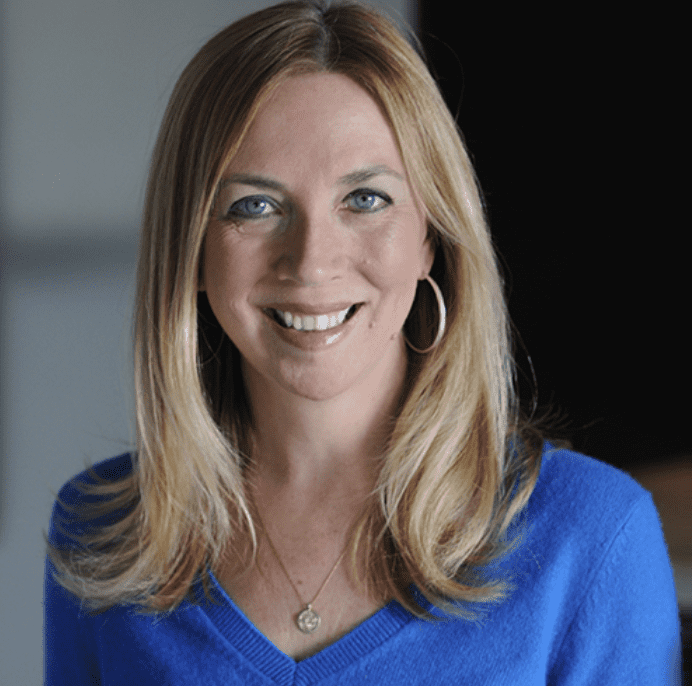 Dr. Meg Haworth is a trailblazer who shifts clients into healthy, strong, vibrant, and whole individuals ready to live inspired and meaningful lives using mind-body medicine, nutrition, and transpersonal psychology. She’s been in the holistic healing and wellness industry for 25 years as a transpersonal psychotherapist, and nutritional private chef to celebrities, and has hosted two podcasts & written six books.
She knows firsthand what it is like to lose her health as a survivor of physical, emotional, and sexual abuse as a child, recovering from over a dozen illnesses (including fibromyalgia & IBS), and the traumas of drowning and being struck by lightning have all made her into a powerful force of healing like no other.
The body holds the keys to wellness, and Dr. Meg helps her clients find the root of how their past is affecting their present via her own Whole Person Integration Technique, accessing the body-mind part of you that remembers and stores experiences in its own particular way, often opposite to how your conscious mind remembers them.

Leave a Comment